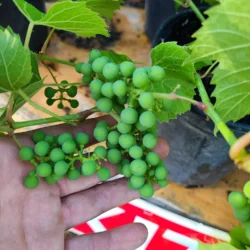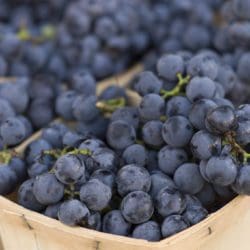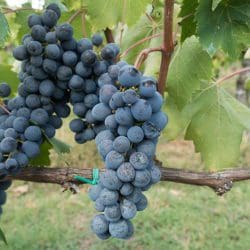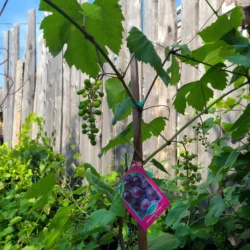
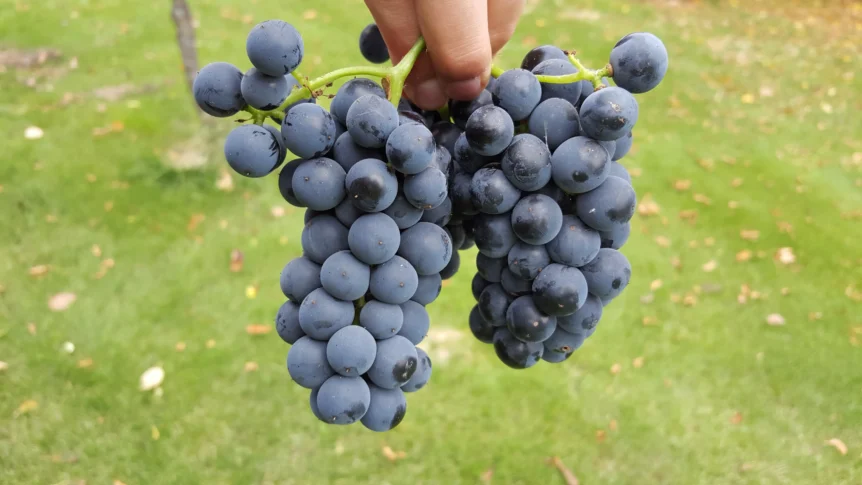
Best Grape Varieties, Winter Injury Tips, and How to Succeed in Zones 2–4
By Prairie Gardens’ Horticulturalist, Tam Andersen
Growing grapes on the Canadian Prairies in Canadian hardiness Zones 2-4 might sound ambitious, but with the right varieties and a few smart strategies, grapevines can thrive even in our coldest zones. Prairie gardeners have been quietly proving this for decades—just walk down the back lanes of older neighbourhoods and you’ll see vines draped over fences, heavy with fruit by fall.
At Prairie Gardens, we’ve trialed hardy cultivars, managed winter injury, and learned what it takes to grow grapes successfully in Zones 2–4. Here’s what we recommend.
Best Grape Varieties for Prairie Climates (Zones 2–4)
The key to success is choosing cultivars bred from Vitis riparia, our native riverbank grape—one of the most cold-hardy grape species in the world. These hybrids offer improved fruit quality while retaining the toughness needed for Prairie winters.
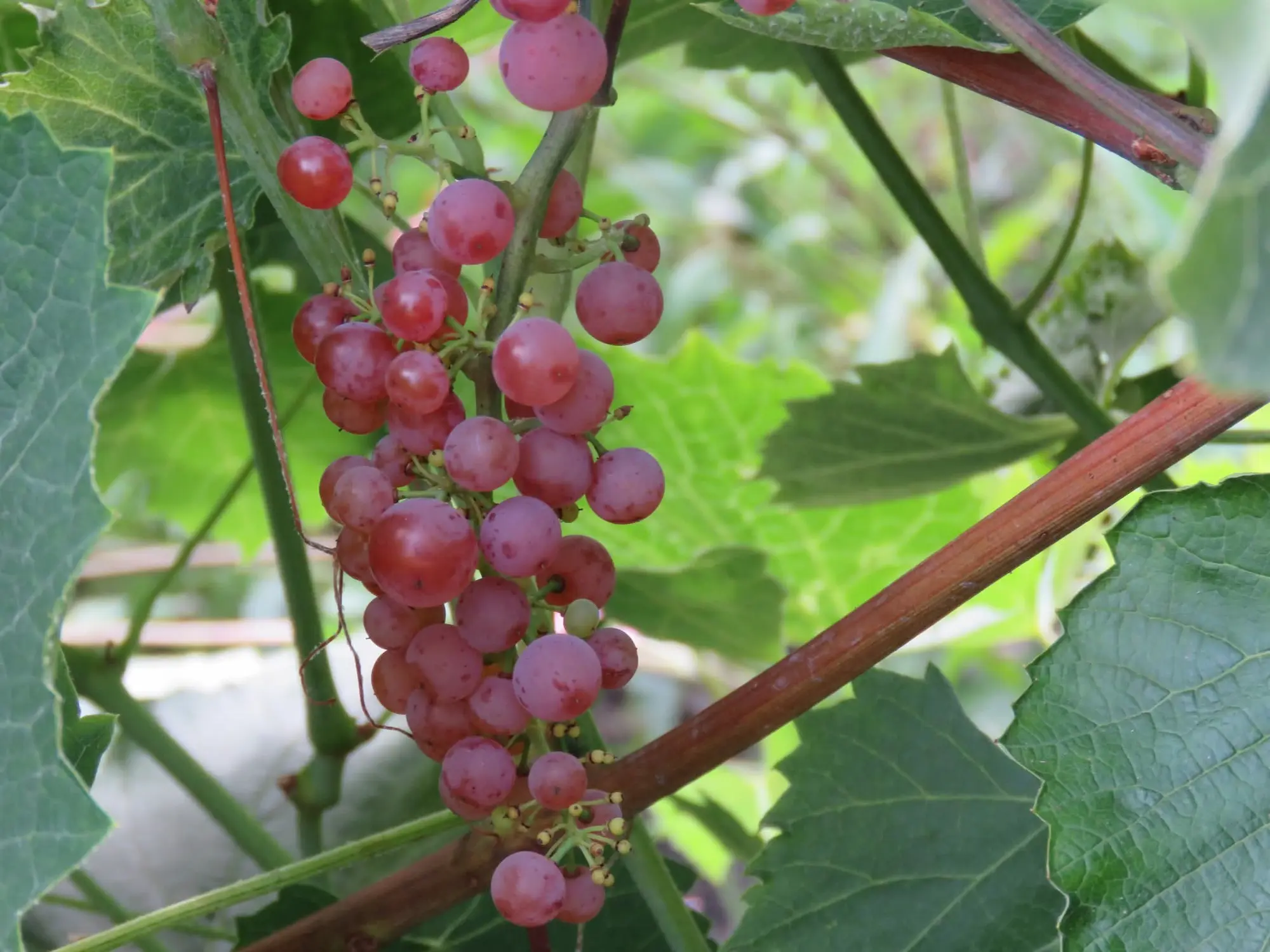
Top Hardy Varieties
Valiant – Zone 2 hardy (-36C to -45C)
- Bred in South Dakota
- Vigorous, reliable, and productive
- Excellent for fresh eating, juice, and jelly
- Tangy flavour with much better quality than wild riverbank grapes
Beta – Zone 3 hardy (Zone 2 in protected microclimates)
- Minnesota hybrid of Concord × V. riparia
- Slip-skin, Concord-like flavour
- Great for jelly and fresh eating
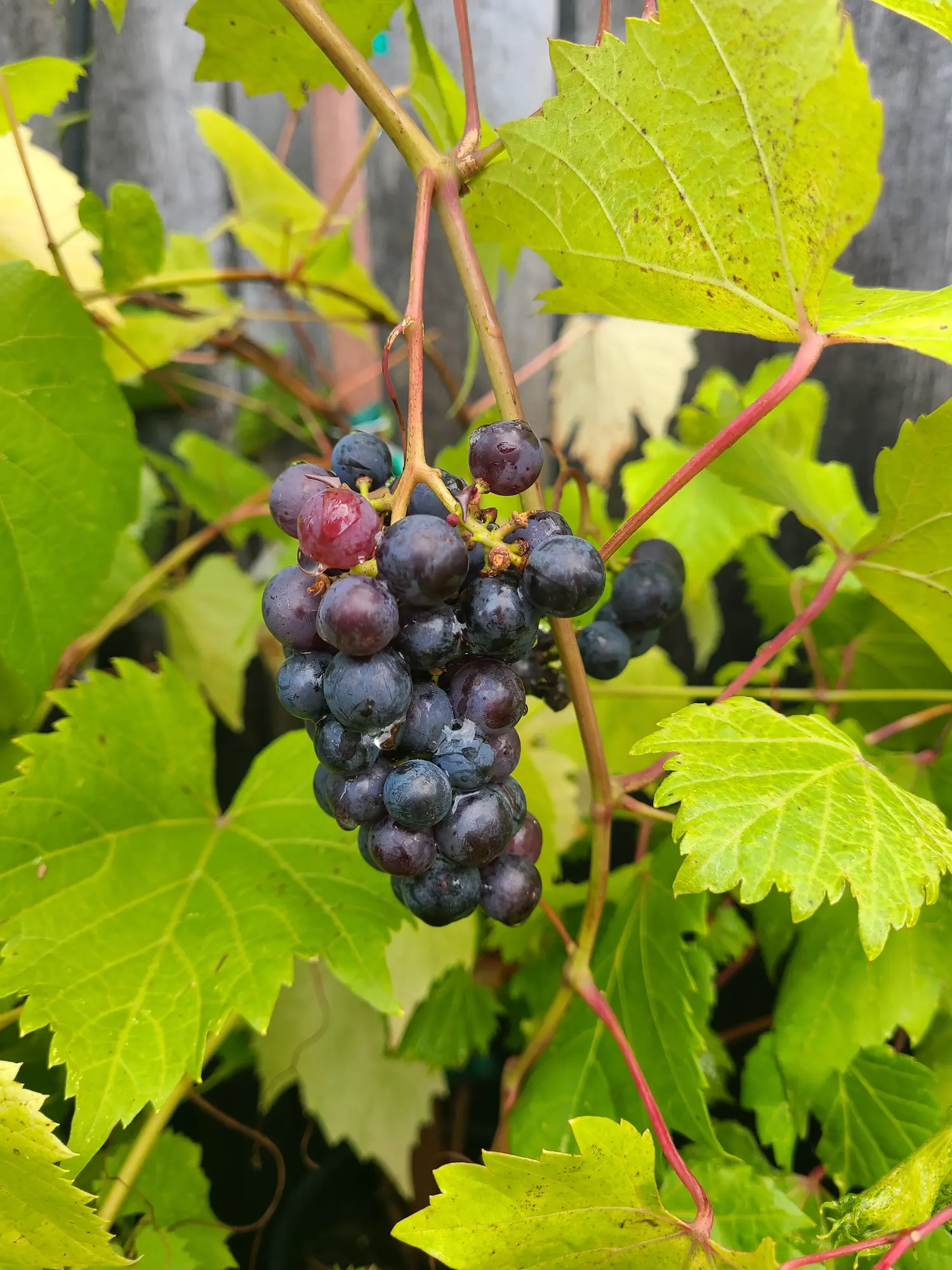
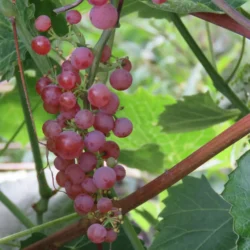
Beta Grapes
Kabanza – Vitis x Jefbanza New Introduction from the U of Saskatchewan
A next-generation hardy Prairie grape – It builds on the Valiant/Beta tradition but aims for:
- Better flavour – purple grape, ripe in early to mid September
- Improved fruit quality
- Strong cold tolerance Hardy to zone 2
- Good for orchards, fresh eating, canning, juicing, preserves
Kabanza is a strong candidate for Zones 2–3 commercial growers
Its hardiness rating and breeding background make it suitable for:
- Sturgeon County
- Edmonton, central and northern Alberta regions
- Saskatchewan
- Manitoba
Worth Trying in Zone 3 (Sheltered Sites Only, South Facing Exposures)
These varieties are hardy to about –30C to -34°C, but Prairie winters can dip lower:
- Frontenac
- Manitoba
- Marquette
- Minnesota #78
- Somerset
- Sverenji
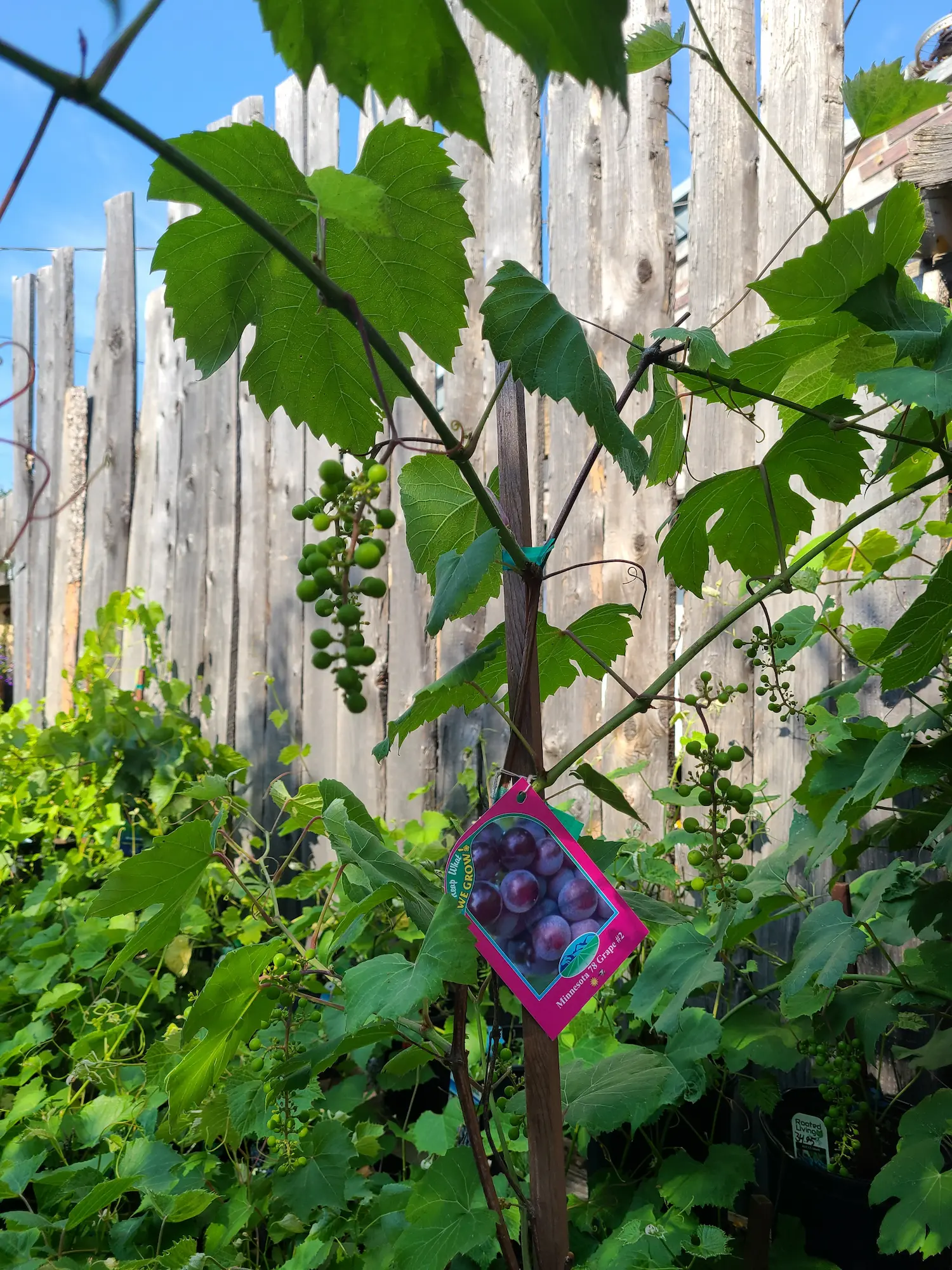
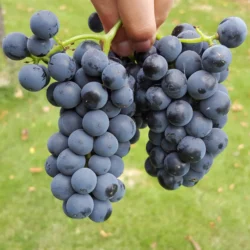
Minnesota #78 Grape
Zone 4 Grapes (Hardy to -29C to -34C)
- Big Blue
- Blue Bell
- Eona
- Frontenac Gris
- Morden Concord
These offer excellent wine and table-grape potential but need careful siting and winter protection and should be planted in Canadian Hardiness Zone 4 (-29C to -34C) in urban areas like metro Edmonton, Lethbridge, Medicine Hat or Calgary.
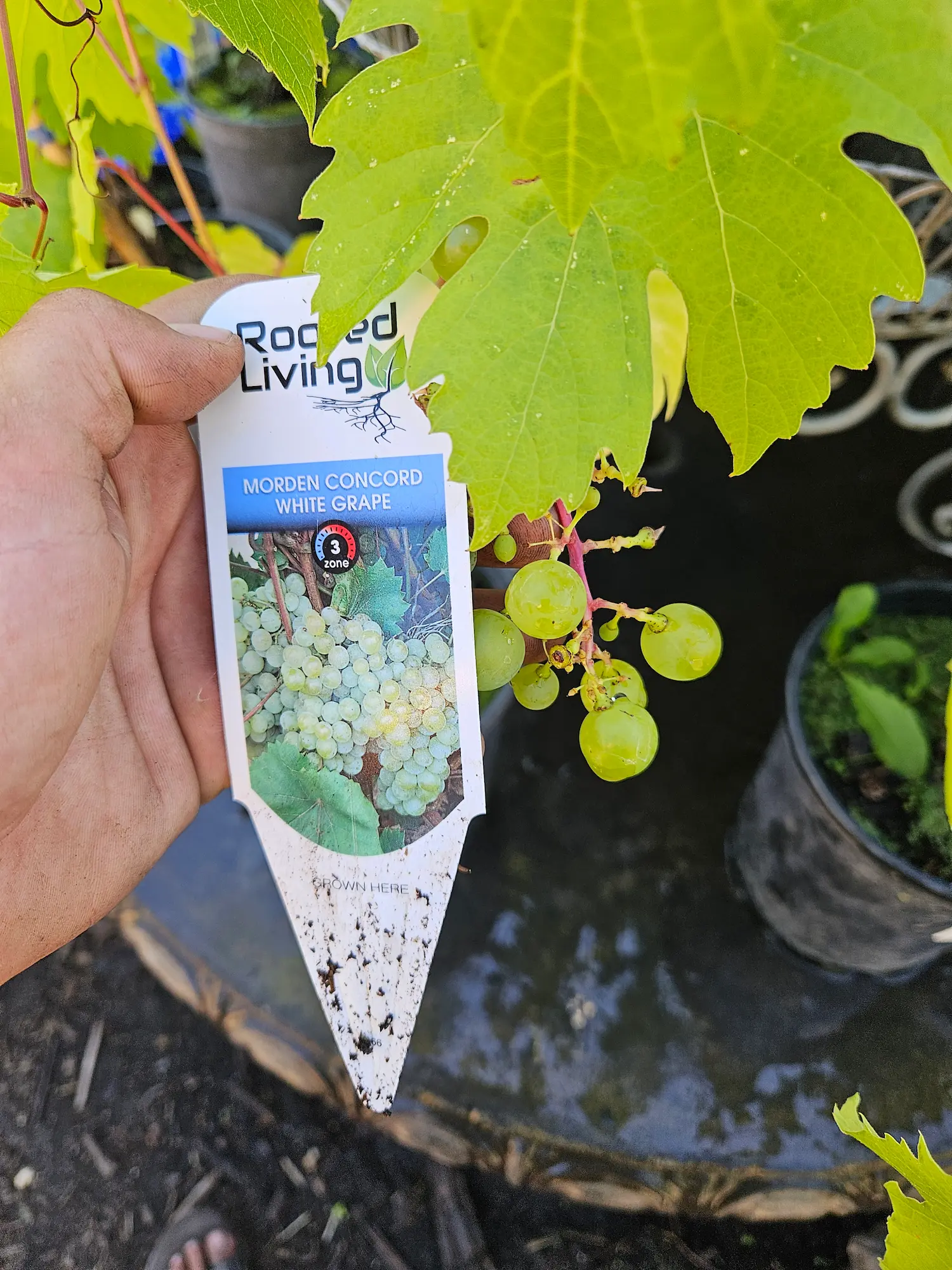
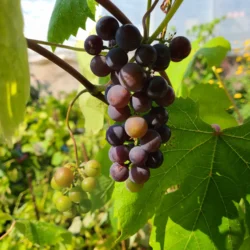
Morden Concord White Grape
What to Do When You See Winter Injury
Even hardy grapes can suffer damage after extreme cold snaps or freeze–thaw cycles. Here’s how to recognize and respond.
1. Check Bud Survival
- At budbreak, look for:
- Primary buds (most fruitful)
- Secondary buds (less fruitful)
- Tertiary buds (usually fruitless)
If you see weak, uneven, or stunted shoots, the vine may have suffered vascular injury.
2. Look for Cane and Trunk Damage
Signs include:
- Brown, dead tissue in canes
- Trunk splitting or discolouration
- Cordons that fail to push shoots
- Orange, slimy growth on pruning wounds
Trunk injury often reveals itself later in the season when vines collapse under heat or drought stress.
3. Adjust Pruning and Crop Load
- Use bud counts to guide pruning.
- Avoid over-cropping injured vines—they need energy to recover.
- Leave extra shoots to distribute vigour and prevent bullwood.
4. Retain Suckers for Trunk Renewal
If injury is severe:
- Keep ~5 healthy suckers from the scion (above the rootstock).
- Tie them up early—they snap easily.
- Protect them with grow tubes until late summer.
5. Delay Major Decisions
Unless the trunk is clearly dead, wait until closer to budbreak before removing it. Dead trunks can temporarily support renewal shoots.
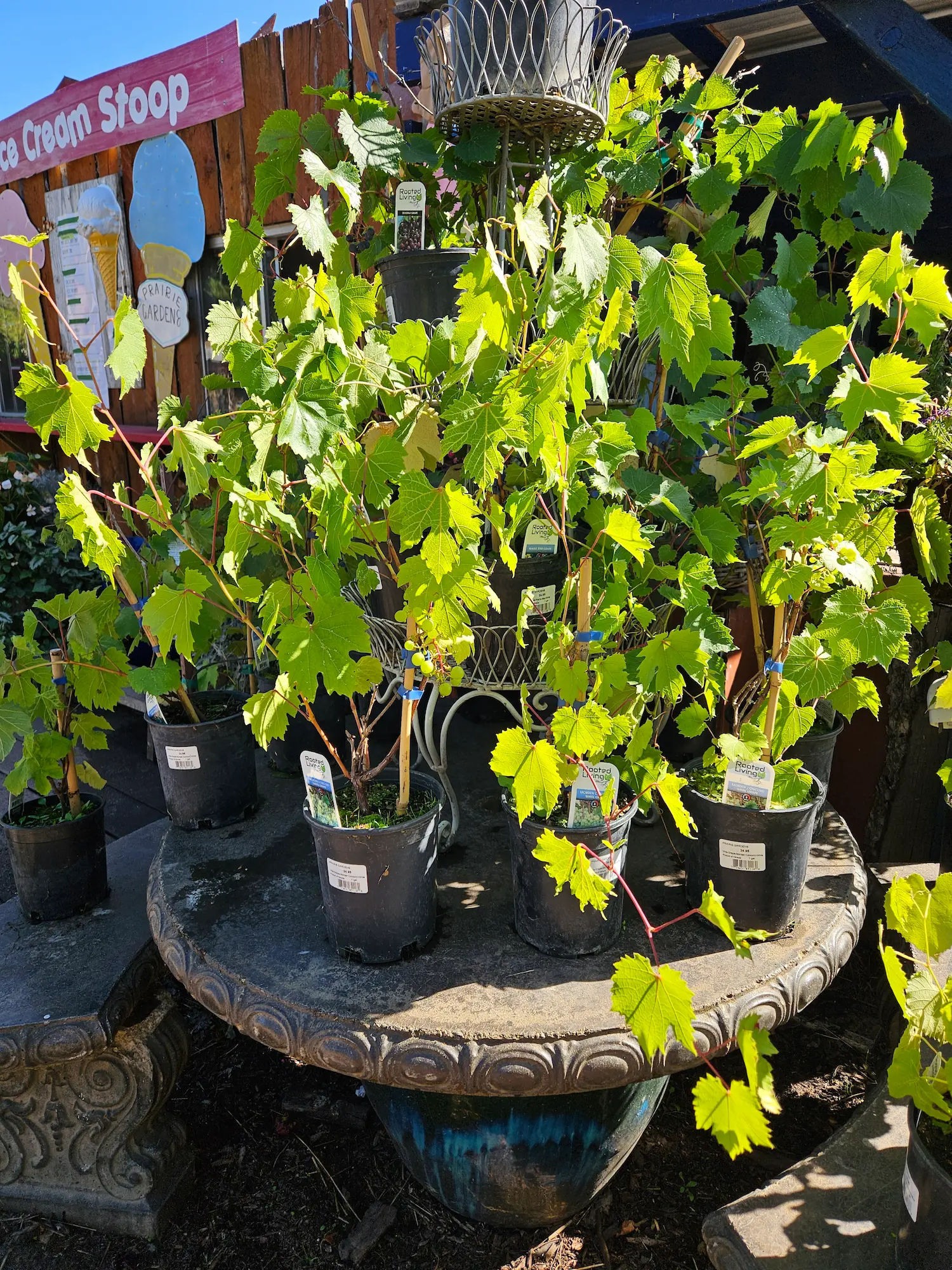
Emerald Ice Grape
How to Grow Grapes Successfully in Zones 2–4
Based on Prairie research and USask findings, here are the most important strategies for success in extreme cold zones:
Choose the Hardiest Cultivars
For Zone 2, plant:
- Valiant
- Beta (protected sites)
- Kabanza (new USask cultivar, Zone 2 hardy)
Avoid Minnesota hybrids unless you have:
- a south-facing wall
- deep snow cover
- wind protection
Use Microclimates to Your Advantage
Where you plant them is make or break critical for success:
- South, southeast, or east-facing slopes or walls
- Avoid frost pockets and low-lying areas
- Ensure good air drainage
- Choose sandy or sandy-loam soils
Snow accumulation is a major protective factor — vines below the snowline often survive even extreme cold. Be proactive, and plant your grapes in at a 45degree angle so they are easy to remove from their trellis to lay down, protected by mulch and snow for the winter.
3. Avoid Excess Fertility
Overly rich soils cause:
- late-season growth
- poor hardening off
- increased winter injury
This is a common cause of vine loss in Zone 2.
4. Install a Trellis at Planting
Grapes grow fast — USask notes they can “take over fences and choke out trees” if not pruned and trained early.
5. Expect and Manage Winter Injury
Even hardy vines can suffer bud or trunk damage. Key practices:
- Delay pruning until after budbreak
- Leave extra buds to compensate for winter loss
- Retain suckers for trunk renewal
- Avoid over-cropping injured vines
6. Maintain Multiple Trunks
For cold-tender or marginal varieties, USask and Prairie growers recommend:
- double or triple trunks renewing trunks every few years
- This is essential insurance in Zone 2.
7. Irrigate During Drought
Drought stress increases winter injury. Healthy, hydrated vines harden off better.
Grape Growing Bottom Line for the Prairies
USask research shows that Prairie grape success depends on hardy genetics, smart siting, and winter-injury management. For Zone 2 growers, the most reliable path is:
✔️ Plant Valiant, Beta, and Kabanza
✔️ Use protected microclimates
✔️ Avoid excess fertility
✔️ Maintain multiple trunks
✔️ Manage winter injury proactively
The Prairie Grape Promise
Growing grapes in Zones 2–4 is absolutely possible—and deeply rewarding. With hardy cultivars like Valiant and Beta, smart siting, and attentive winter-injury management, Prairie gardeners can enjoy abundant harvests of fresh grapes, juice, jelly, and even small-batch wine.
If you’d like help selecting varieties or learning how to prune and train your vines, Prairie Gardens is always here to support your growing journey.
Order Yours Today!
-

Kabanza Grape
$39.95 Read more -
Severnji Grape
Price range: $24.95 through $39.95 Select options This product has multiple variants. The options may be chosen on the product page -
Eona Grape
$24.95 Add to cart -
Frontenac Grape
$24.95 Read more -
Brianna Grape
$24.95 Read more -
Bluebell Grape
$24.95 Read more -
Blue Ice Grape
$24.95 Read more -
Minnesota #78 Grape
Price range: $24.95 through $39.95 Select options This product has multiple variants. The options may be chosen on the product page -
Somerset Grape
Price range: $24.95 through $39.95 Select options This product has multiple variants. The options may be chosen on the product page -
Marquette Grape
$24.95 Add to cart -
Valiant Grape
Price range: $24.95 through $39.95 Select options This product has multiple variants. The options may be chosen on the product page