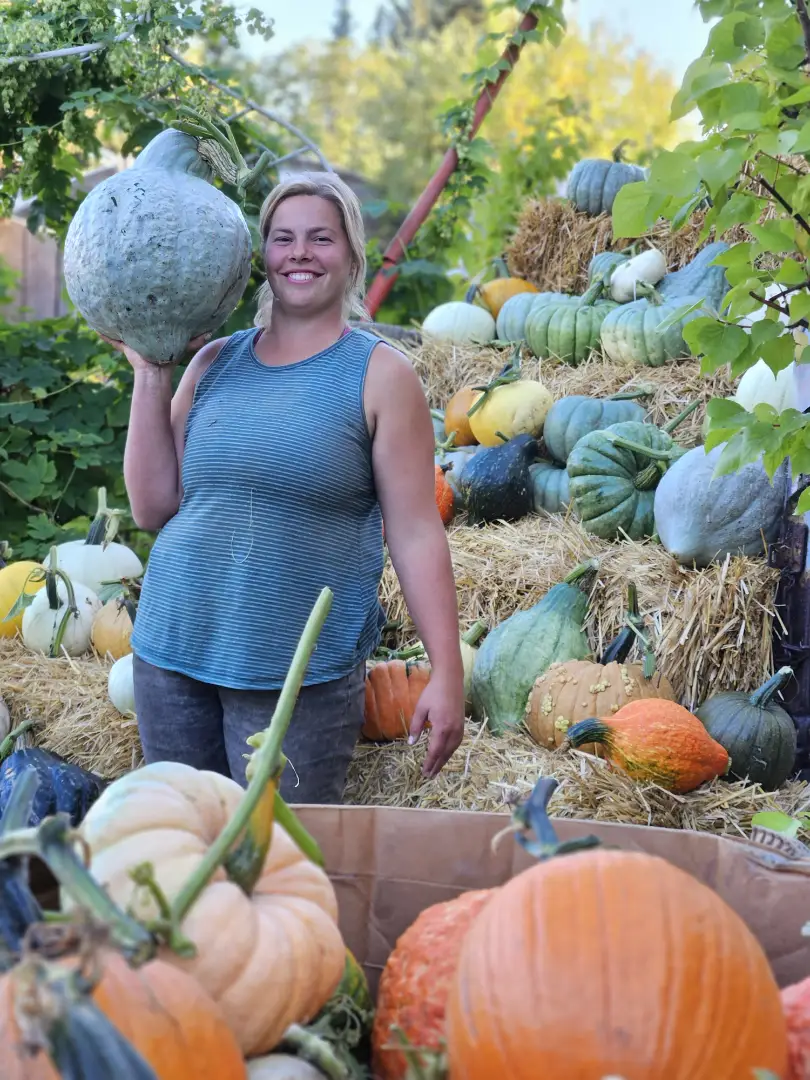
By Tam Andersen, Farmer
Winter in Edmonton asks more of us. More warmth. More nourishment. More intention.
Our energy flows to what we have passion for. For me, the farm holds transformative power; a space where food transcends mere sustenance to become a true strategy.
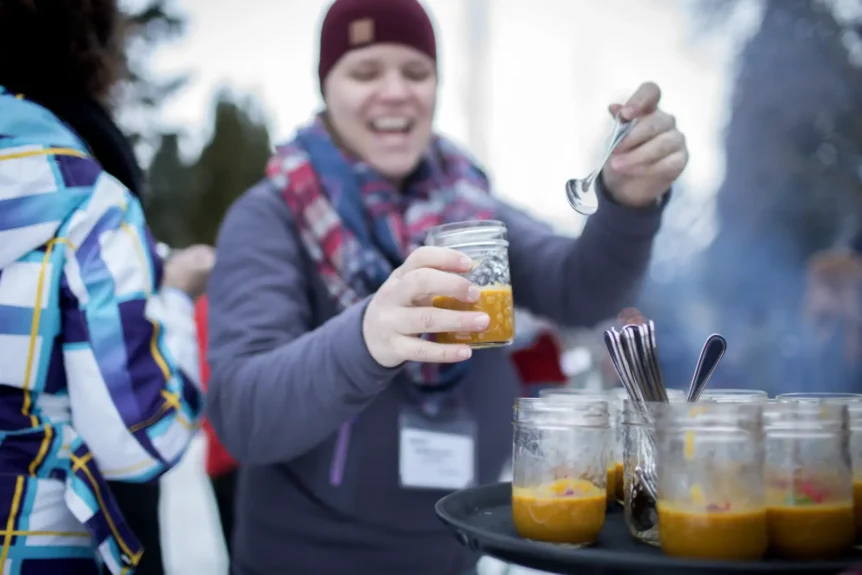
I recently spoke at IMPACT in Victoria, BC on the topic of Food Security. It’s a conference on resilience, climate change, the audacity of hope, and the power of regenerative agriculture and tourism to save the planet.
== JOIN THE CONVERSATION ==
===
As a farmer who integrates the art of growing food with the craft of eating better, and resilient regenerative principles, I’ve come to understand that winter pushes us beyond our comfort zone. Its about intention. Principled eating local – creates capacity in the winter more than at any other season to build food sovereignty. It’s about building resilience. And it’s not for the faint of heart.
Bob Sanford, Senior Government Relations Liaison, Global Climate Emergency Response (UNU-INWEH), keynoted the conference. His first words where stark, “The future is already here The world of three degrees of warming is upon us.” Followed by the question that will be asked by future generations, and refuses to leave my thoughts:
“What did you do when you knew?”
This provocation lands even more powerfully when I researched to understand his work through the United Nations University Institute for Water, Environment and Health (UNU-INWEH) — the UN’s think tank on water. He is one of the UN’s clearest voices urging communities to respond to climate realities with practical, grounded choices. It’s a call to rally responsibility that echoes far beyond policy rooms. As individuals, every action counts, no matter how small. It’s a thousand small actions that add up to make a difference. Like signing up for a local CSA food basket program.
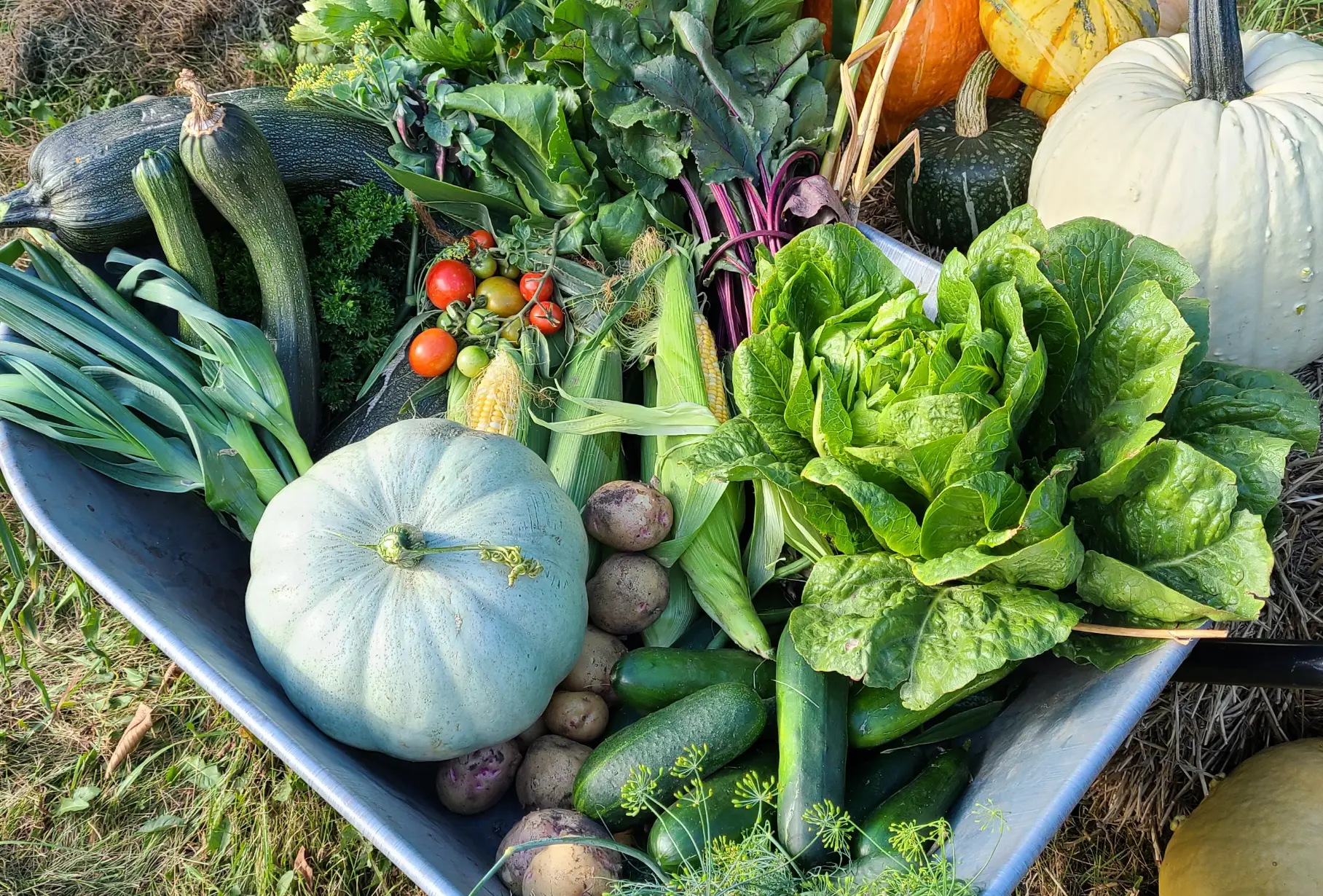
For me, the answer begins right here on the farm. It begins with choosing crops that heal the soil, vegetables that thrive in our northern climate, and meals that nourish both people and place. To nourish myself — and my community — from the land in ways that restore rather than deplete. Every CSA vegetable, every winter green rich in plant based Omega-3s, every kohlrabi stew or kale salad is a small act of alignment.
When we eat with intention, we turn knowledge into action. We turn awareness into stewardship. And we discover that climate solutions can start right in our kitchens, one mindful meal at a time
We’ve become accustomed to eating with extravagance. The global palate is just around the corner at every cost-less box store. When you signed up for a winter CSA, your intention has set the course of climate change action, by supporting a local farm to eat the winter season. You have reduced food miles, and taken action against global warming. Every action, no matter how small, pulls us back from the abyss.
We thank you for your commitment to work together for the good of all, for a safer world. And we can still find comfort and hope in our kitchens to cook and eat healthy throughout the season’s darkest months.
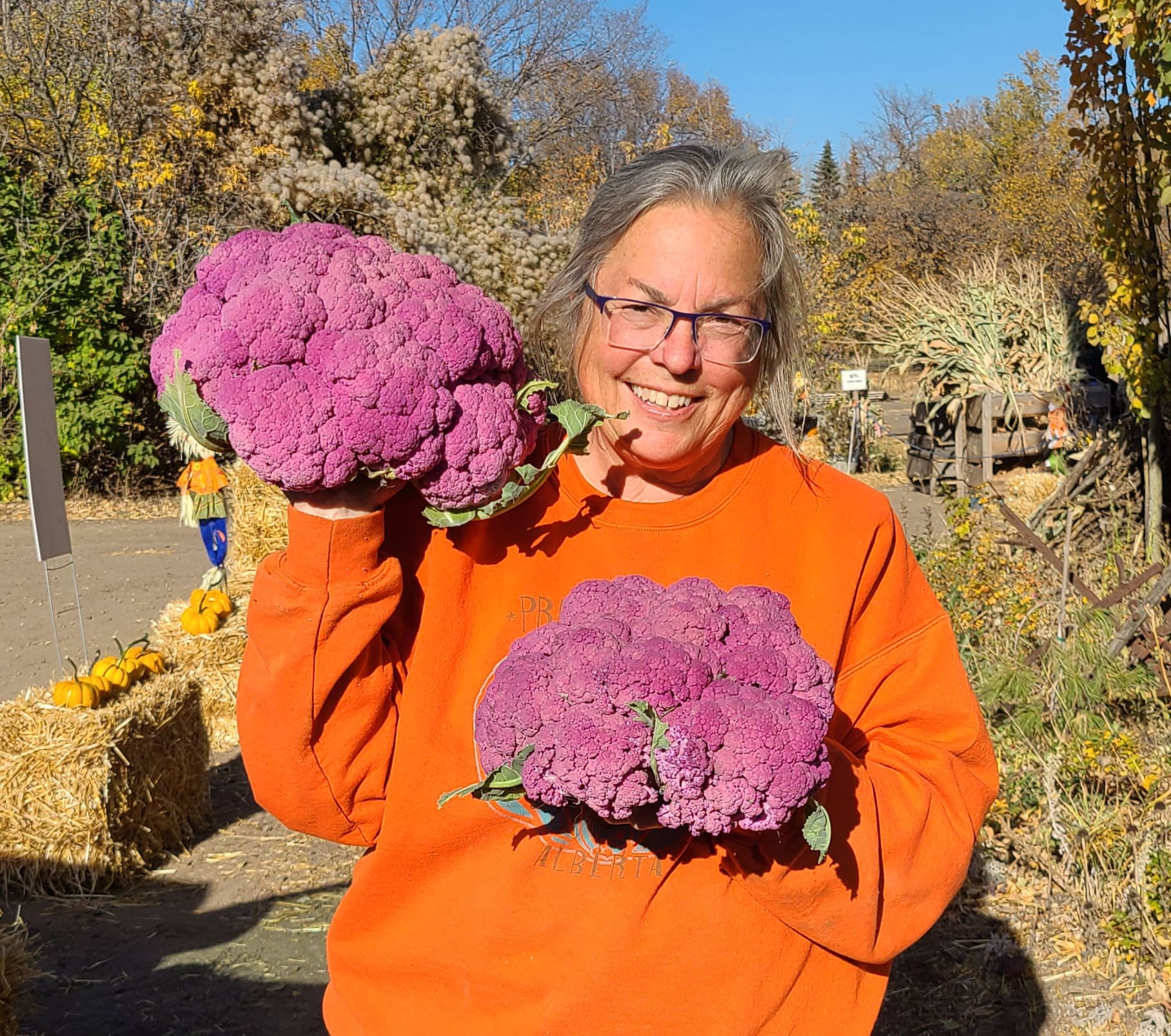
Cook with Intention
This winter, don’t simply cook to stay warm. Cook to stay well. Cook to keep our planet well. Build your meals around what’s in season, batch-cook to preserve energy for rest, and choose ingredients that fuel both mind and body.
Winter wellness isn’t about restriction or rigid routine. It’s about finding rhythm. Cooking with seasonal foods from our farms connects us to the land, strengthens local economies, and reminds us that true nourishment begins with awareness.
With intention, a weekly CSA basket, and a few thoughtfully sourced flavor and omega 3 boosters, your kitchen becomes the most powerful wellness tool you own.
Nourish the Land and Ourselves
CSA vegetables are inherently climate friendly. They reduce transportation emissions, Support regenerative soil systems that store carbon, encourage seasonal eating, lowering energy inputs, and strengthen local food security—especially important in northern regions like Sturgeon County and Edmonton.
And the vegetables richest in plant based Omega-3s tend to be cold tolerant, low input, high yield, and excellent for soil health.
It’s a perfect narrative: the foods that nourish us most deeply in winter are the same foods that nourish the land.
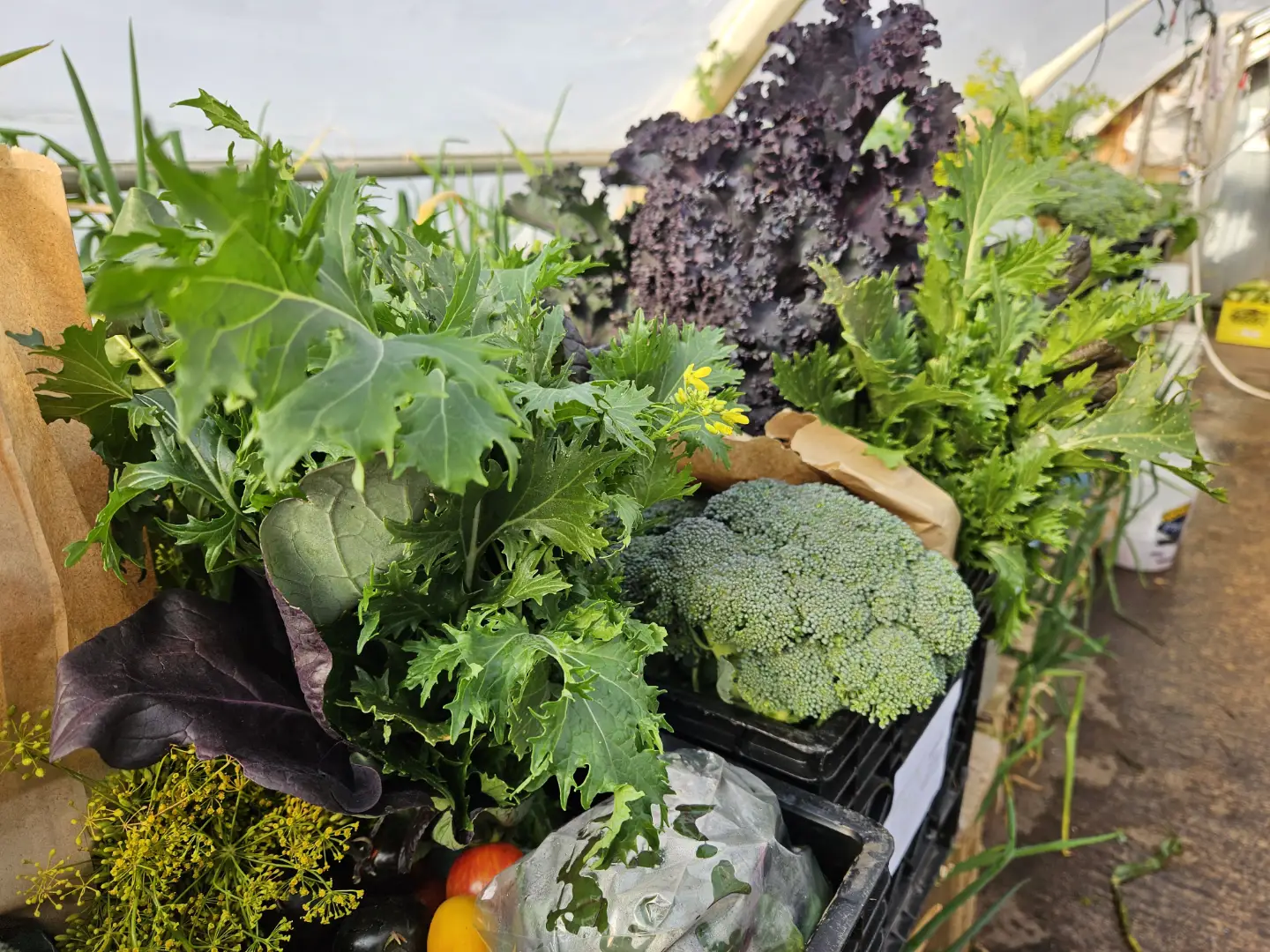
Heavy Hitters from the Garden
These are the heavy hitters you can use in your kitchen—nutrient dense, cold hardy, and climate smart. Winter vegetables are rich in alpha-linolenic acid (ALA), the primary plant-based Omega-3 fatty acid.
CSA Vegetables That Support Omega-3 and our Climate
As the light fades through the winter season, our bodies instinctively reach for the foods that carry the memory of summer sun—leafy greens, brassicas, roots, and herbs. These CSA staples are rich in plant-based Omega-3s that steady the mind, brighten mood, and remind us that eating with intention is one of the simplest ways to care for both ourselves and the climate.
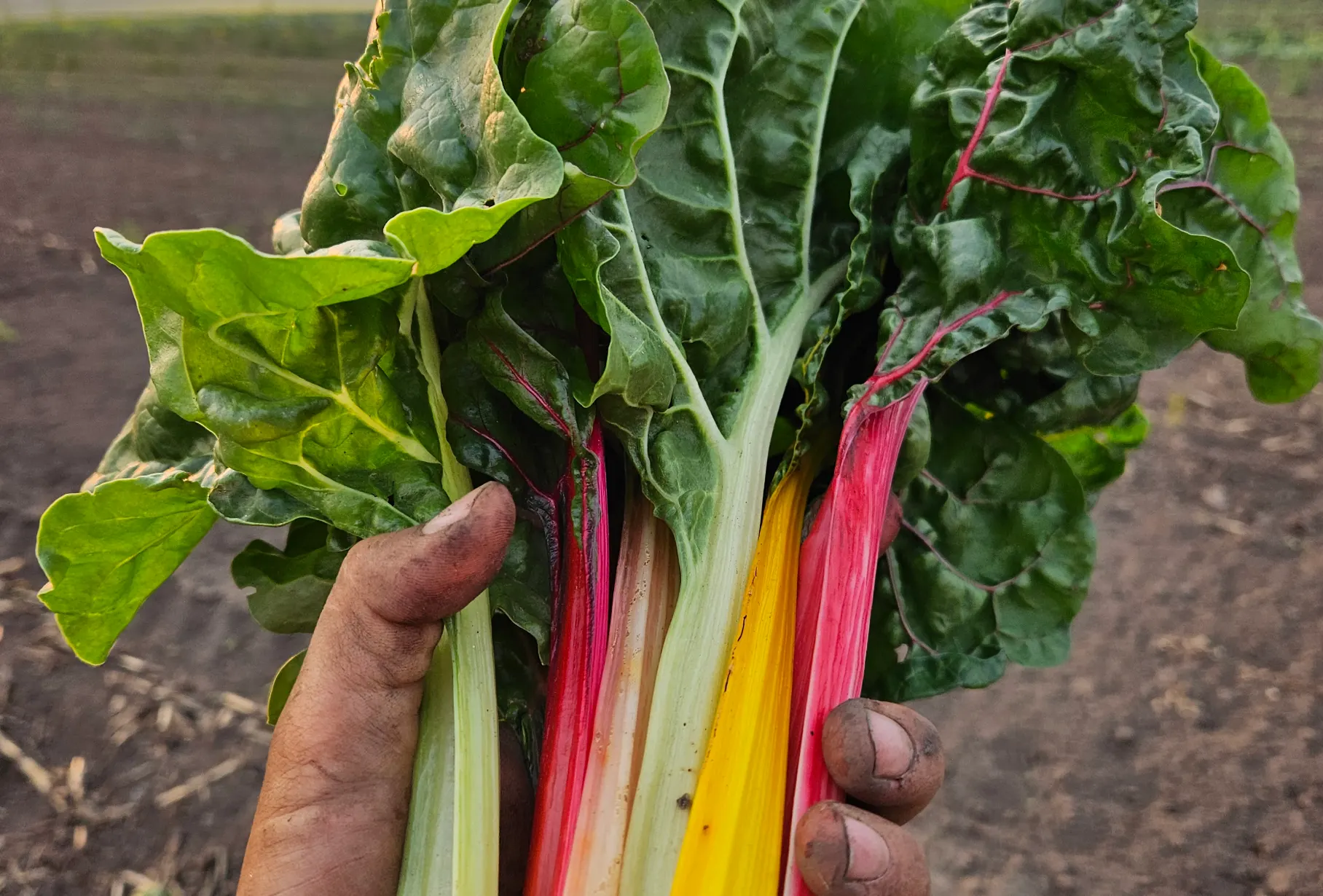
Winter Greens (Kale, Beet Greens, Swiss Chard, Mustards)
- Among the highest ALA sources in the vegetable world
- Thrive in cool climates and are the best winter greens we can grow in our greenhouse through the winter months
- Support mood, cognition, and anti-inflammatory pathways
- Perfect for soups, sautés, smoothies, and grain bowls
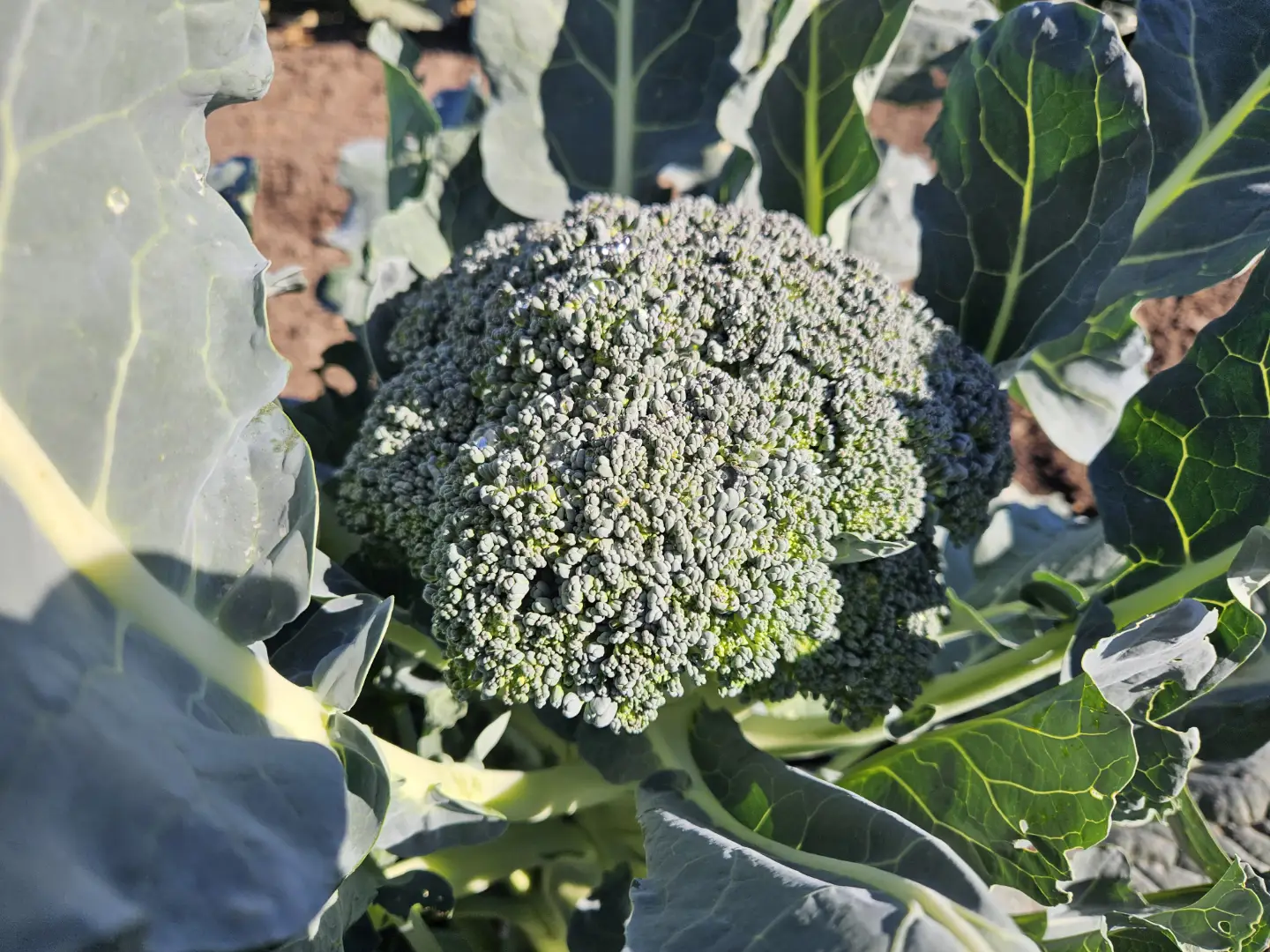
Brassicas (Brussels Sprouts, Cabbage, Broccoli, Kohlrabi)
- Surprisingly rich in ALA
- Store well, making them ideal for winter CSA shares
- Offer fiber and sulfur compounds that support gut–brain health
- Roast beautifully, concentrating sweetness in cold months
Root Vegetables (Beets, Carrots, Rutabaga, Turnips)
- Not high in Omega-3 themselves, but essential companions
- Stabilize blood sugar and energy during low-light seasons
- Pair well with Omega-3–rich dressings (flax, hemp, canola)
Winter Squash (Kabocha, Butternut, Hubbard)
- Provide carotenoids that work synergistically with Omega-3s
- Long-keeping, low-waste, climate-resilient crops
- Comforting, grounding foods for emotional balance
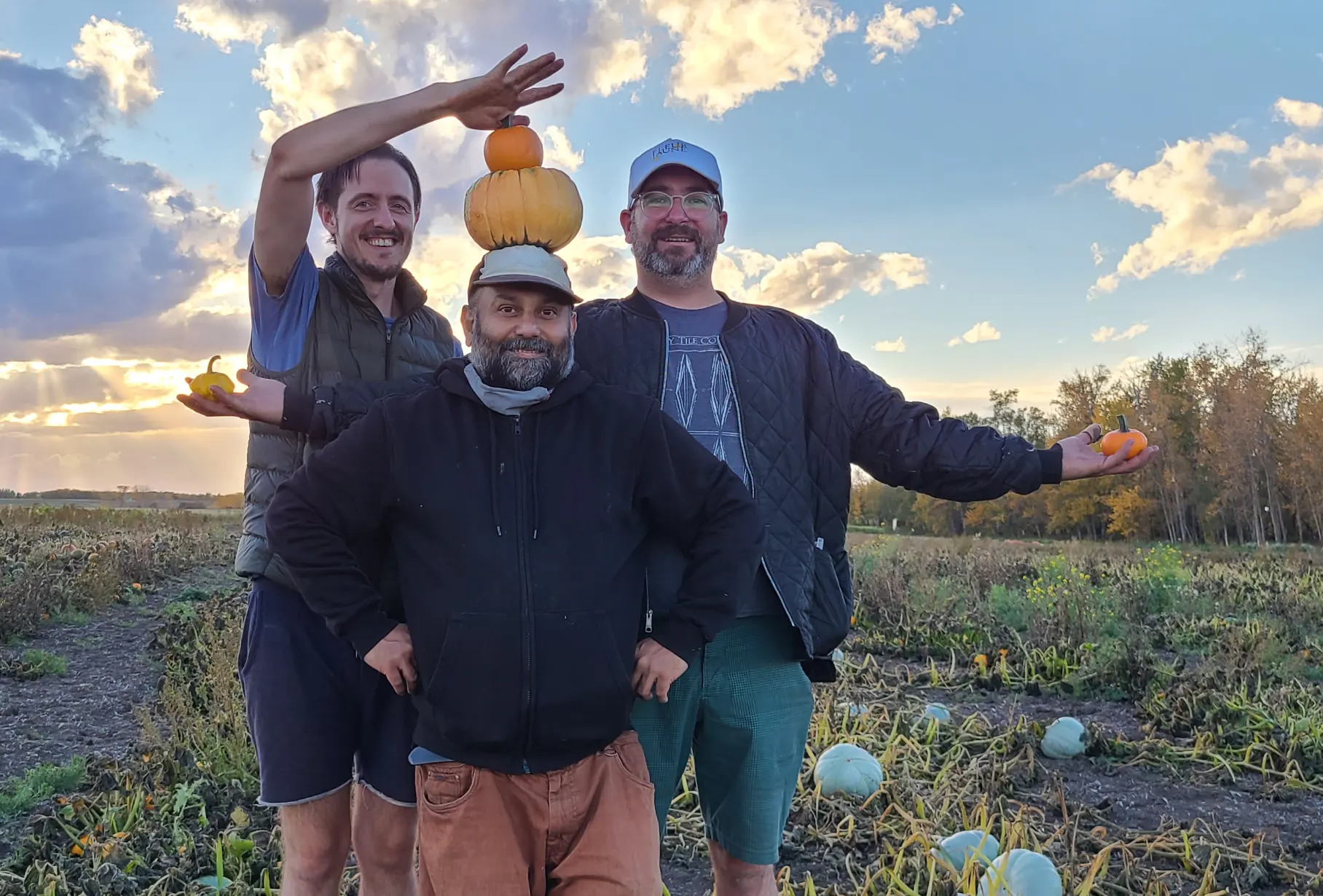
Fresh Herbs (Parsley, Cilantro, Dill)
- Small but mighty ALA contributors
- Brighten winter dishes and support micronutrient density
- Easy to grow in low energy indoor pots for year-round harvest
Cook Once, Make it Easy All Week
Batch cooking offers one of a winter CSA’s most elegant solutions for maintaining wellness without sacrifice. Consider it meal planning engineered for wellness.
A single afternoon of intentional cooking yields a week’s worth of deeply nourishing meals: soups, stews, braises, and grain bowls that only improve with time.
My weekly go-to is often a large pot of vegetable broth, and nutrient dense elixir that supports health and fortifies immunity. Root vegetables are readily available all winter in a CSA program, surprisingly affordable and brimming with restorative properties.
Incorporate the root vegetables from your CSA Basket: onions, garlic, carrots, celeriac, beets, potatoes, and rutabagas that are abundant across Alberta throughout winter; add wheat berries, dried faba beans, or dried peas for protein, starch and winter comfort. You can add dried celery leaves, herbs and spices to punch up the flavor profile.
Portion into glass containers and freeze for those evenings when cooking from scratch feels impossible.
Easy Breezy Winter Recipes
Warm Kale & Roasted Squash Salad with Hemp Dressing
A mood steadying bowl built from cold season staples.
Ingredients
- 1 bunch kale, torn
- 1 small winter squash (butternut, kabocha, or acorn), cubed
- 1 tbsp oil
- Salt & pepper
- 2 tbsp hemp hearts
- 1 tbsp apple cider vinegar
- 1 tsp maple syrup
- 1 tsp Dijon mustard
Method
- Roast squash at 400°F until caramelized.
- Massage kale with a drizzle of oil and pinch of salt.
- Whisk hemp hearts, vinegar, maple, mustard, and a splash of warm water.
- Toss everything together while the squash is warm.
Why it works: Kale + squash + hemp = a powerful plant based Omega-3 trio. Winter squash are climate friendly. This crop checks almost every box for sustainable, regenerative food production. They grow on low inputs, and thrive with minimal irrigation, wide spacing that reduces disease pressure. They’re naturally vigorous, which means no sprays, less intervention, and a lighter footprint.
Their sprawling vines protect and build soil, and their big leaves act like a living mulch to shade the soil, reduce evaporation, suppress weeds, prevent erosion during summer storms. This living canopy helps keep soil biology active and protected. The squash store for months and improve in flavor with age as they cure — reducing food waste, and addressing food insecurity. They keep 3–6 months in room temperature storage and reduce the need for energy intensive refrigeration, and give us, as farmers, a stable, low waste winter crop
Brassica Stir-fry with Flax Ginger Sauce
Fast, bright, and deeply nourishing.
Ingredients
- 2 cups chopped Brussels sprouts, cabbage, or broccoli
- 1 carrot, sliced
- 1 tbsp grated ginger
- 1 tbsp soy sauce
- 1 tbsp flax oil (added after cooking)
- 1 tsp honey
Method
- Sauté vegetables until crisp tender.
- Stir in ginger and soy.
- Remove from heat and drizzle flax oil + honey.
Why it works: Flax oil adds ALA without heating (which preserves nutrients).
Root Veggie Hash with Parsley & Lemon
A grounding, bright dish for low-light days.
Ingredients
- 2 carrots
- 1 beet
- 1 turnip or rutabaga
- 1 tbsp oil
- Handful fresh parsley
- Lemon wedge
Method
- Dice roots small and sauté until golden.
- Season with salt and pepper.
- Finish with chopped parsley and a squeeze of lemon.
Why it works: Roots stabilize energy; parsley adds a surprising Omega-3 lift.
Creamy Chard & Faba Bean Skillet
Comfort food with a nutrient dense backbone.
Ingredients
- 1 bunch Swiss chard, chopped
- 1 cup dried faba beans, (see how to use them below)
- 1 clove garlic
- 1 cup broth
- 1 tbsp tahini
- Black pepper
How to Prepare Dried Faba Beans
Most dried faba beans need a bit of prep:
- Soak overnight (8–12 hours)
- Drain and rinse
- Simmer 45–60 minutes until tender
- Slip off the outer skins if they’re large and tough (small faba beans often don’t need this)
Method
- Sauté garlic and chard stems.
- Add beans, broth, and simmer 5 minutes.
- Stir in chard leaves and tahini.
- Season generously.
Why it works: Tahini adds healthy fats that help absorb greens’ nutrients. Prairie-grown pulses are climate smart, and local legumes reduce reliance on imported beans.
Faba beans support soil health and biodiversity, and are nitrogen fixers, which replenish the land.
Kohlrabi & Wheat berry Stew
A rustic, slow simmered bowl that celebrates cold season vegetables and the nutty chew of wheat berries.
Ingredients
- 1 cup wheat berries, rinsed
- 1 large kohlrabi, peeled and diced
- 2 carrots, diced
- 1 onion, chopped
- 2 cloves garlic, minced
- 1–2 potatoes or a small rutabaga, diced (optional but lovely)
- 1 tbsp oil
- 6 cups vegetable broth
- 1 bay leaf
- 1 tsp thyme
- Salt & pepper
- Fresh parsley or dill for finishing
- Optional: a splash of cold pressed canola oil or a spoon of hemp hearts for an ALA boost
Method
- Sauté onion, garlic, and carrots in oil until softened.
- Add kohlrabi, wheat berries, potatoes/rutabaga, thyme, and bay leaf.
- Pour in broth and bring to a simmer.
- Cook 45–60 minutes, until wheat berries are tender and the stew thickens naturally.
- Season generously with salt and pepper.
- Finish with chopped parsley or dill, and (if you like) a drizzle of canola oil or sprinkle of hemp hearts.
Why this stew works: Kohlrabi brings sweetness and crunch that softens into a silky texture. Wheat berries add protein, fibre, and a satisfying chew. Herbs + canola/hemp quietly elevate the ALA content.
It’s a low waste, climate friendly recipe built almost entirely from CSA staples. Eating with intention can be delicious, comforting, and rooted in place