Cider Apples
Cider Apples
These apples are suited for fresh and hard cider.Cider Variety Fact SheetDetailed description of our different kinds of cider apples
Great cider consists of a balance between acidity, tannins, sugar, alcohol, and aroma. Since very few single varietals of apple contain all of these elements in a nice balance, cider is usually made by blending multiple varieties of apples. Some of the most difficult apples to find are those that lend themselves to the production of hard cider, according to Chris Collins, proprietor of North Shore Cider Company, “When you combine cider apples – some are very bitter, some are very sharp – they make a great juice that you can ferment and give it a lot of complexity. They just aren’t apples that you sit and eat, or put in a dessert.” Planting of apple trees appropriate for hard cider production dwindled during Prohibition, and never regained its footing. Until now...
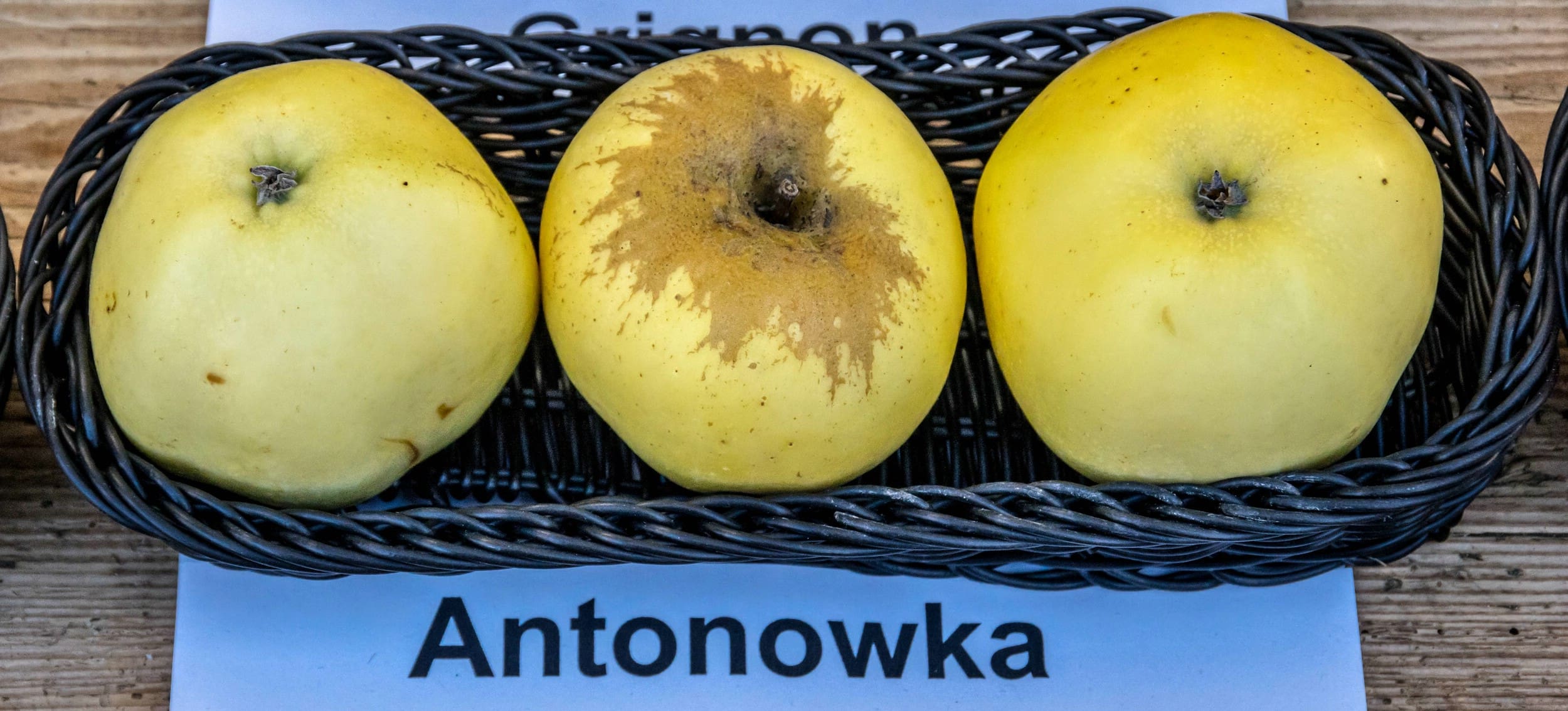
Antonovka Apple
This is the legendary Russian apple, a couple of centuries old, yet still revered as much as ever…
Combination Apple: Type 2 Multigraft
Please note: varieties included vary year to year and may be different than what is listed in the…
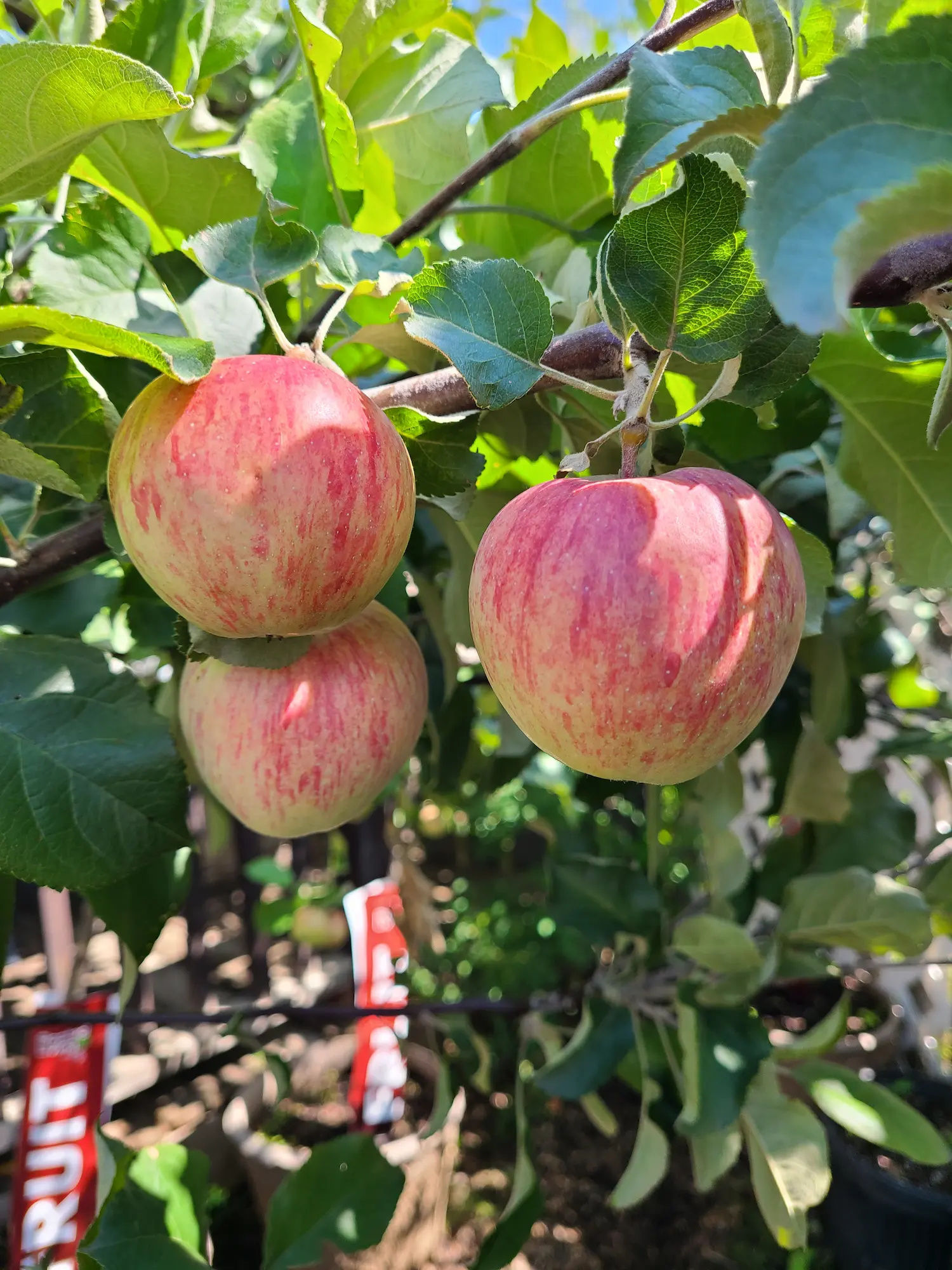
Cortland Nova Red Apple
Full sun, Zone 4 Malus ‘Cortland Nova Red’ Pot size #5 (3′ whip) Cortland apples were first bred…
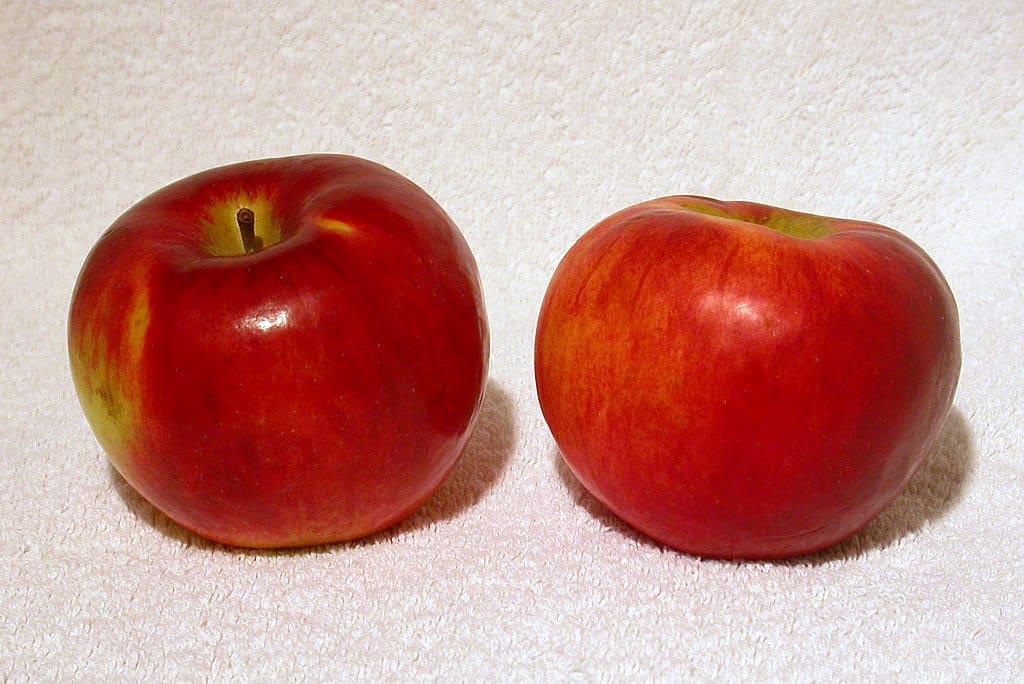
Dolgo Crabapple
Full sun, Zone 2 Malus ‘Dolgo’ Pot size: #2, #5 A tree that produces abundant and bright red…
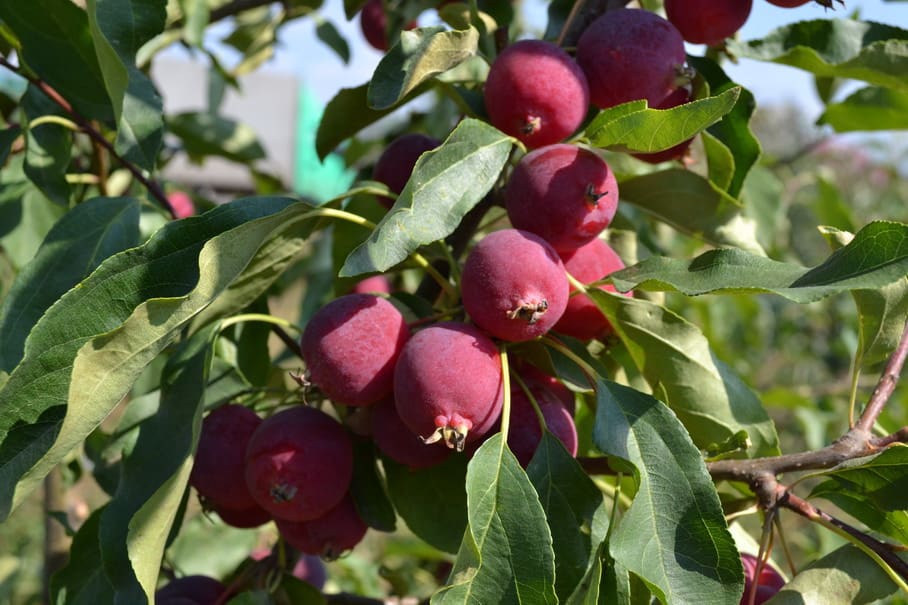
Dwarf Honeycrisp Apple
Full sun, Zone 3 Malus domestica ‘Honeycrisp’ Pot size: #10 (6-8′ tall) Introduced by the University of Minnesota…
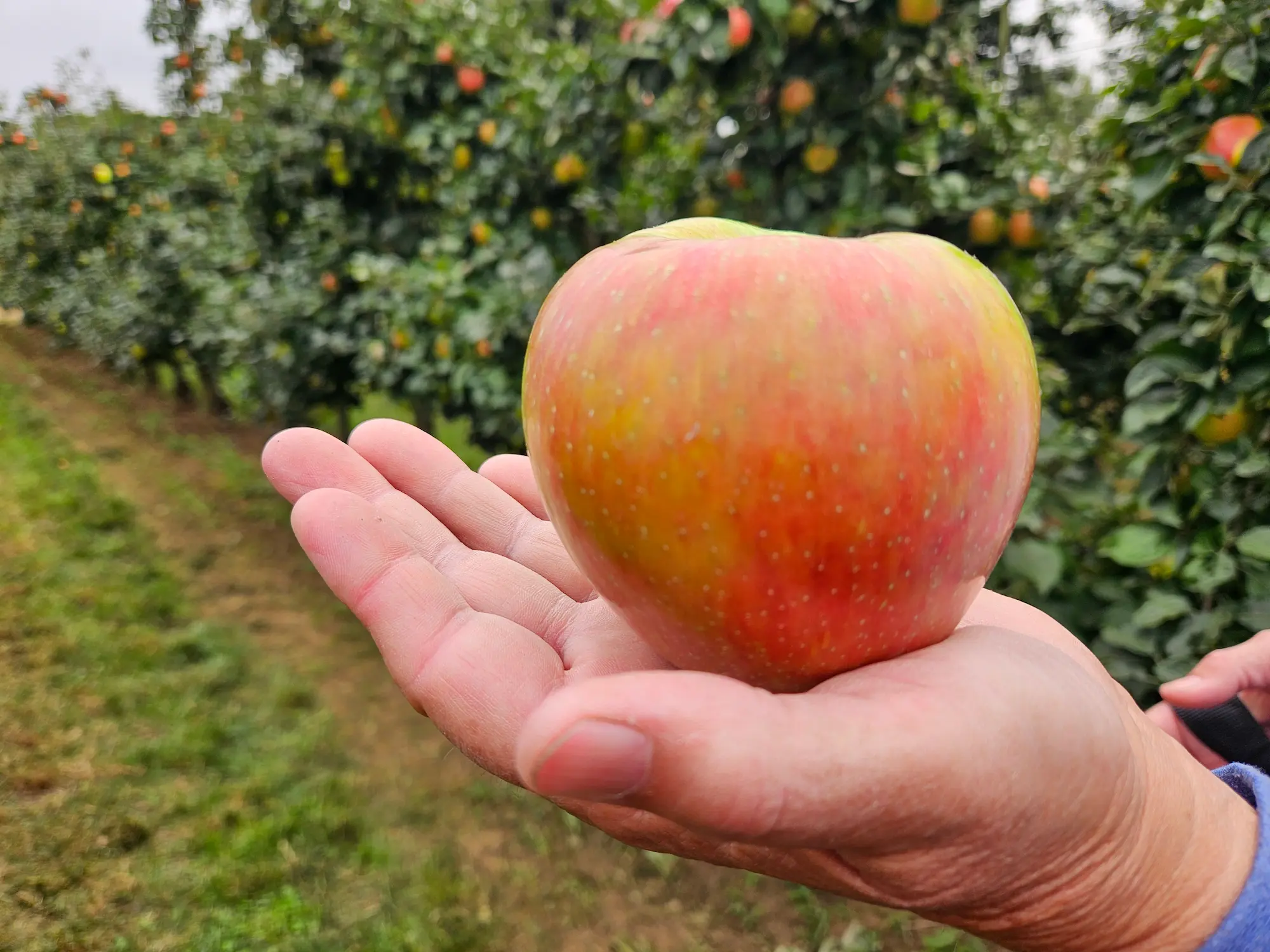
Dwarf Smokehouse Apple
Smokehouse fruit is exceedingly juicy. Flesh is yellowish, crisp and firm with a pleasing spicy flavor. It is…
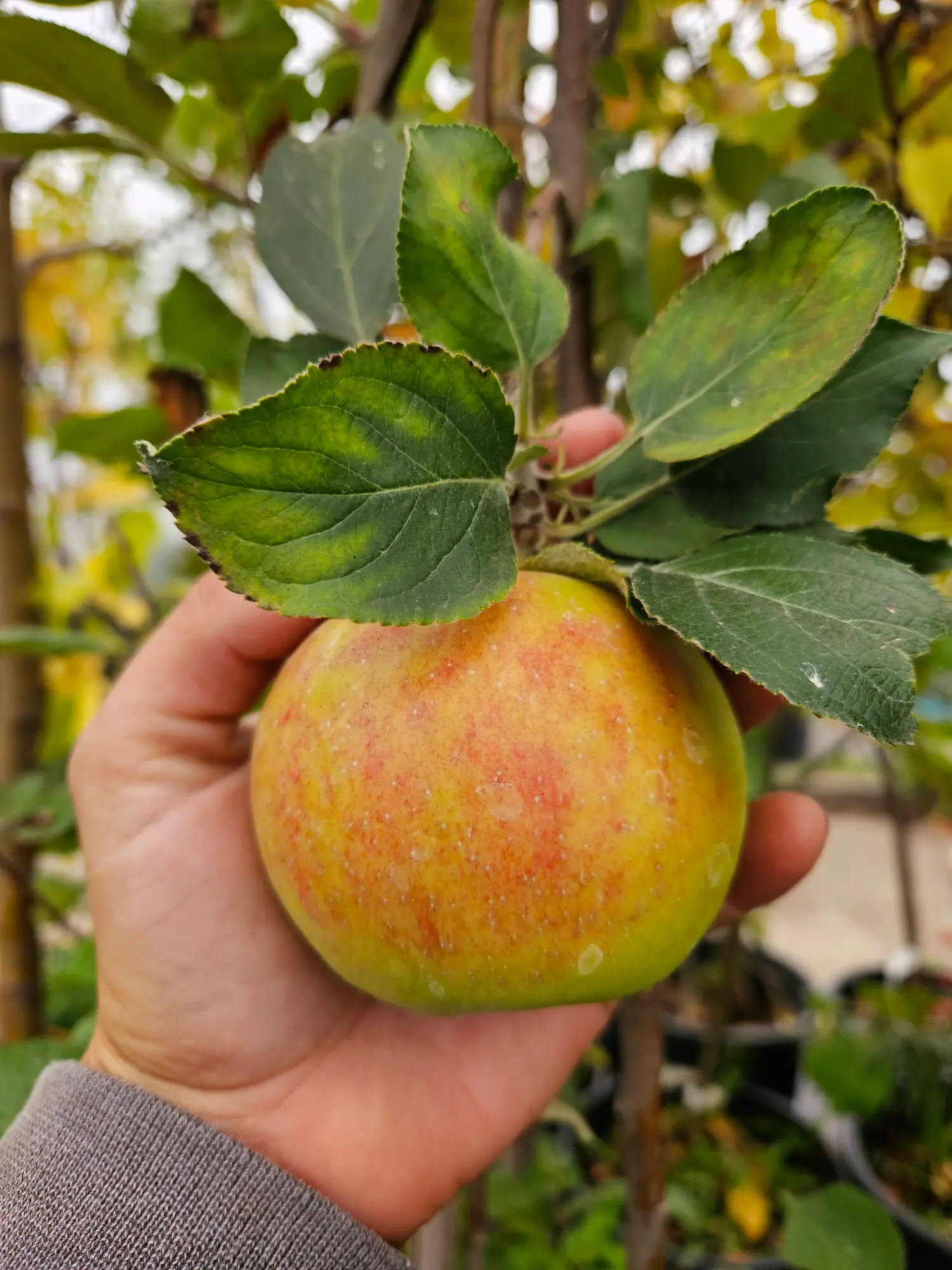
Haralson Apple
A small apple tree that is commonly grown for its edible qualities. The apples that are formed are…
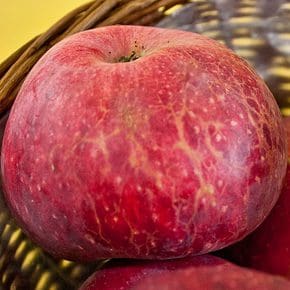
Kerr Applecrab
Full sun, Zone 3 Malus ‘Kerr’ Pot size: #5, #7 A cross between a Dolgo and a Haralson…
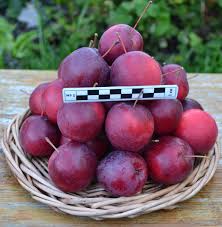
M359 Apple
Full sun, Zone 3 Malus x ‘M359’ Pot size #5 (5-7′) M-359 – also known as Morden 359…
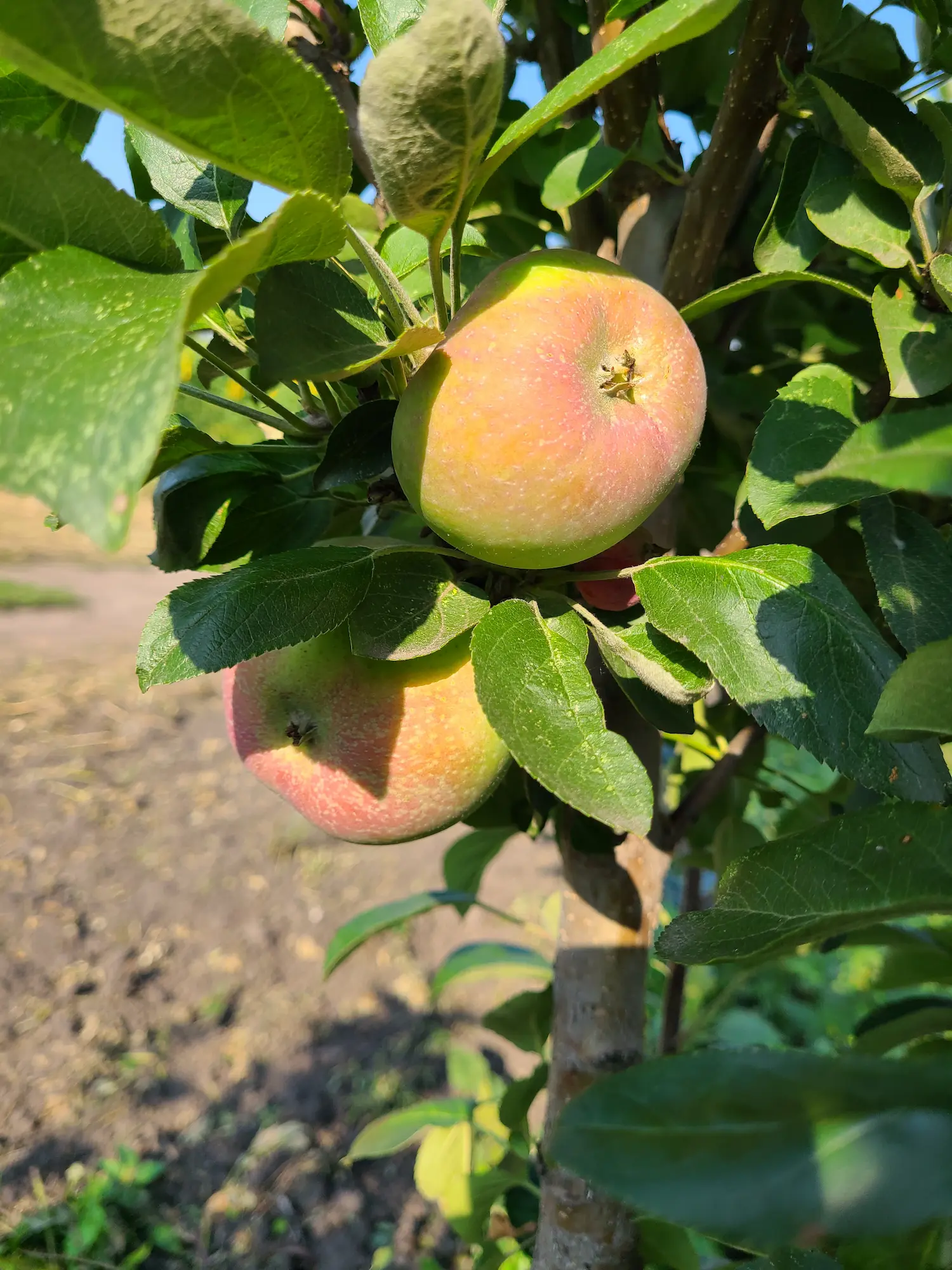
Norkent Apple
Full sun, Zone 2 Malus ‘Norkent’ Pot size: #5, #7, #10 A late Summer apple tree that tastes…
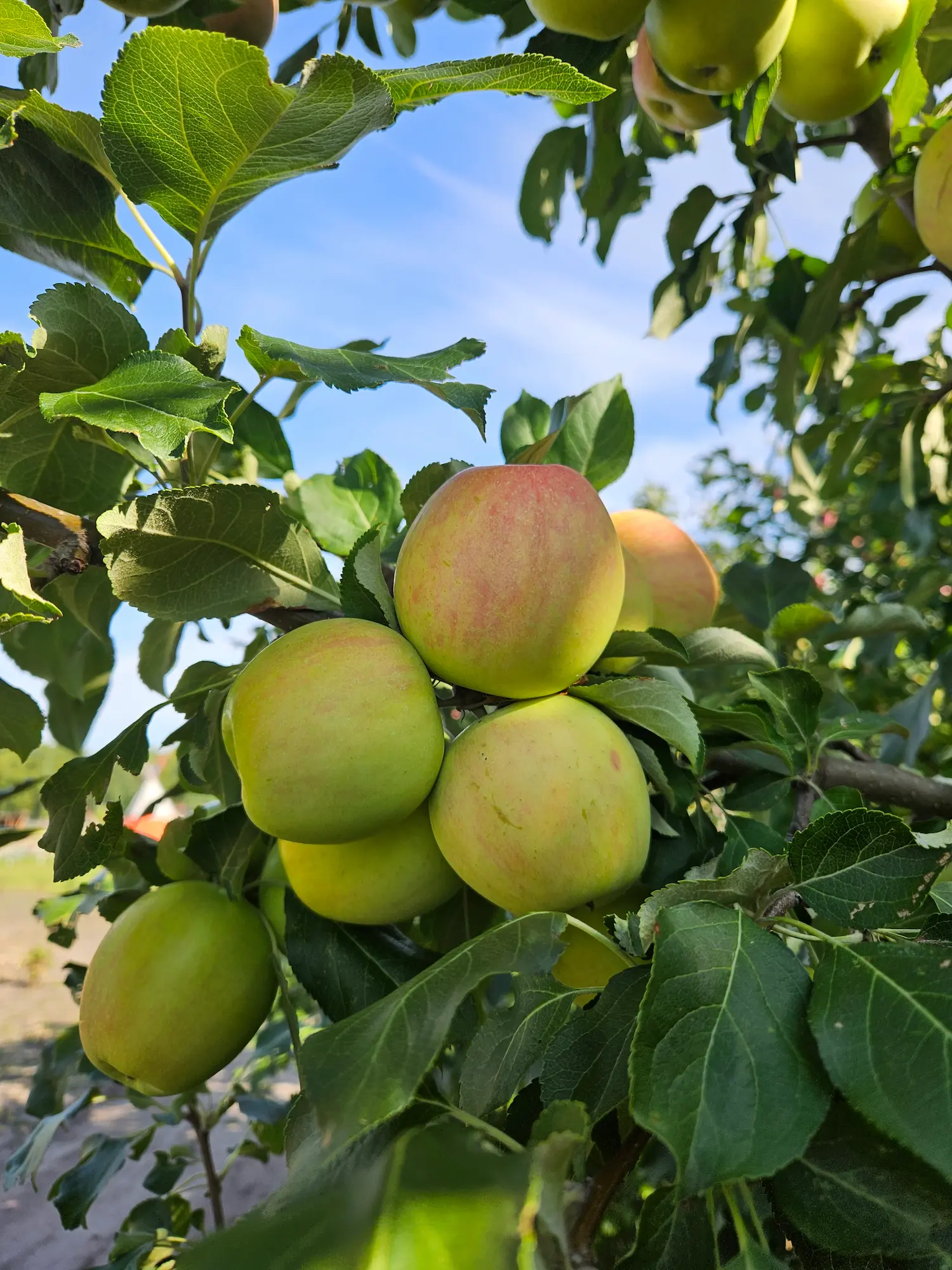
Northern Spy Apple
Northern spy is a late-season apple, which should be harvested at the very end of October. The fruit…
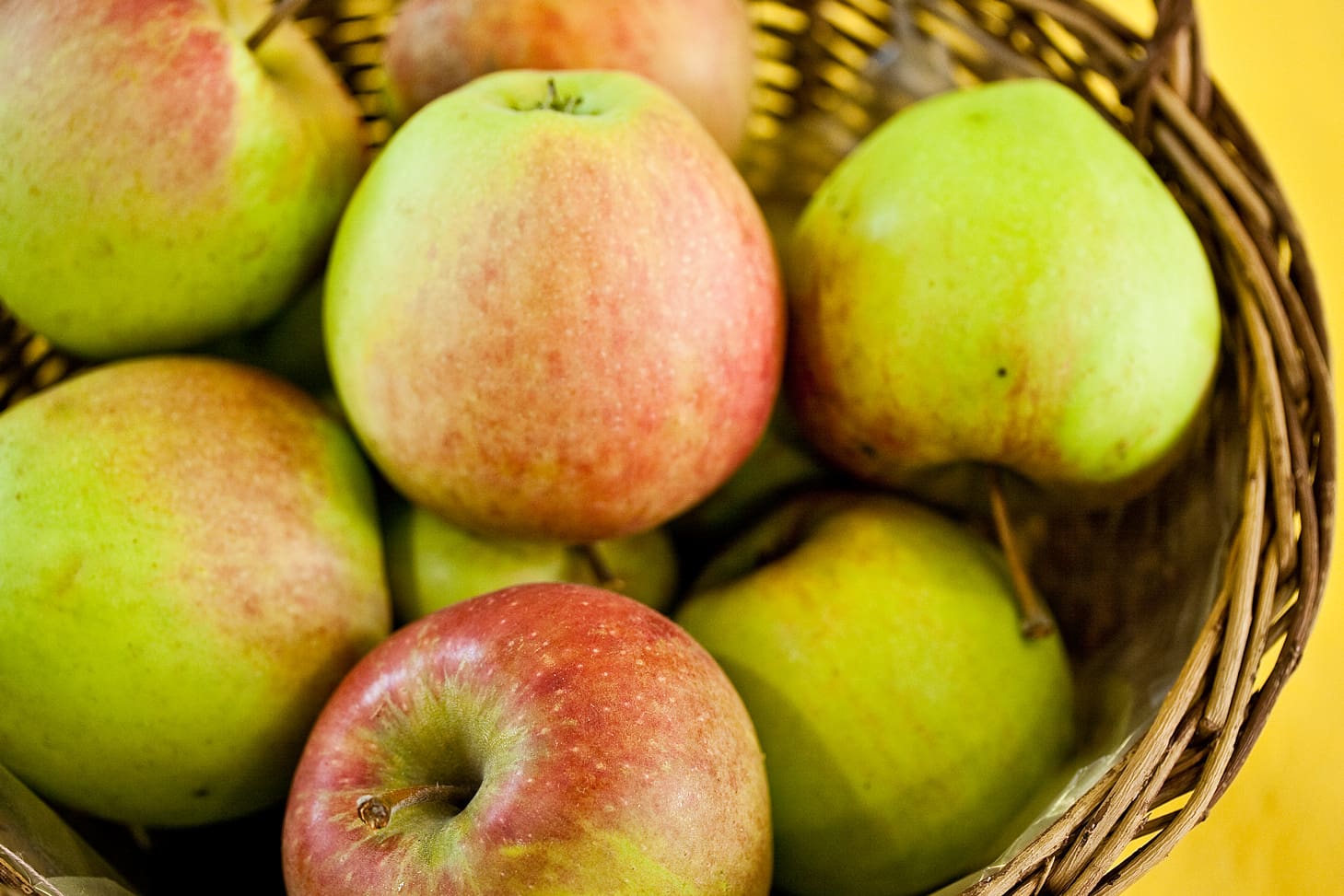
Prairie Sensation Apple
Full sun, Zone 2 Malus ‘Prairie Sensation’ Pot size #5, #7 Developed at the University of Saskatchewan. Known…
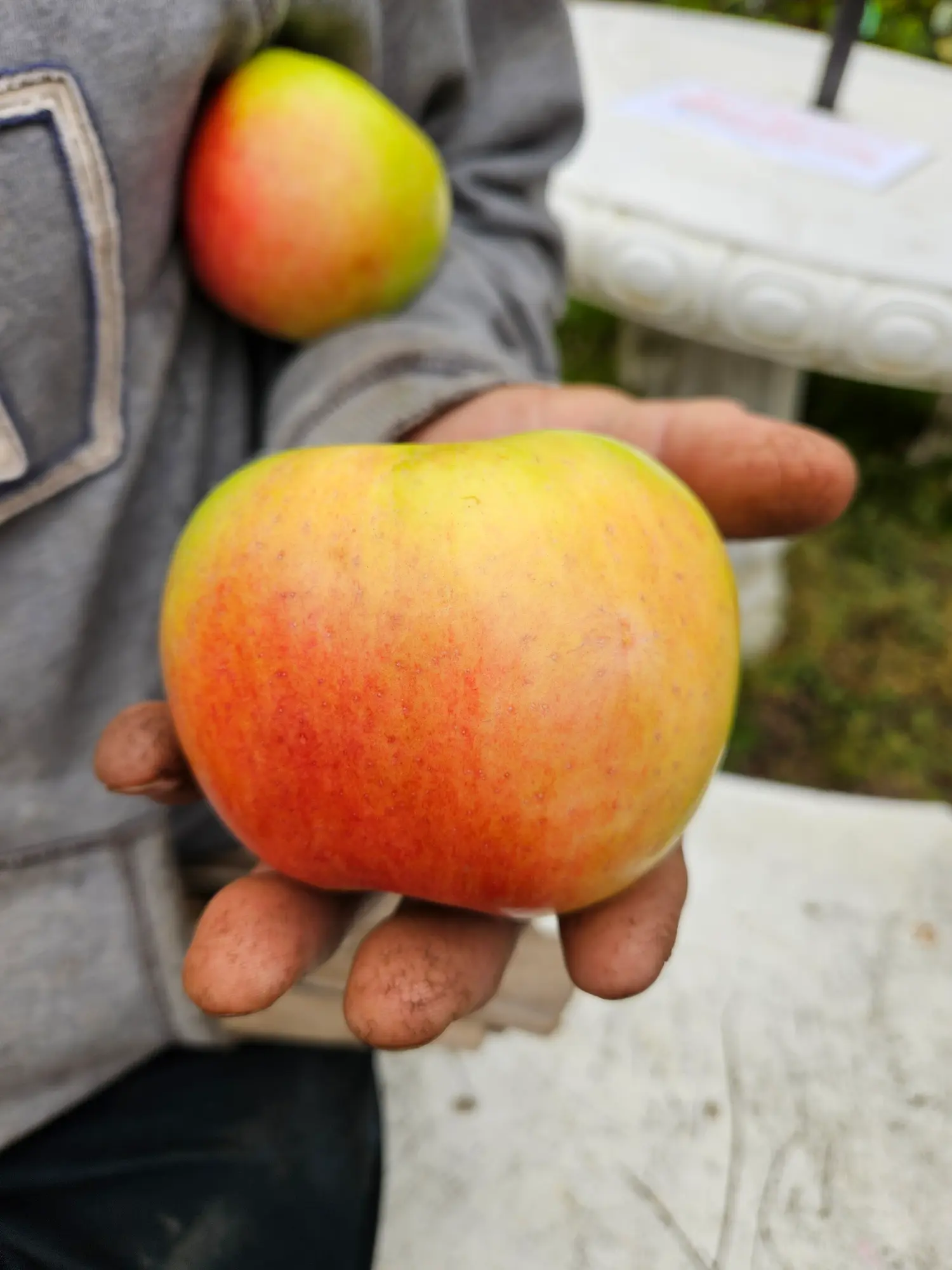
Redfield Apple
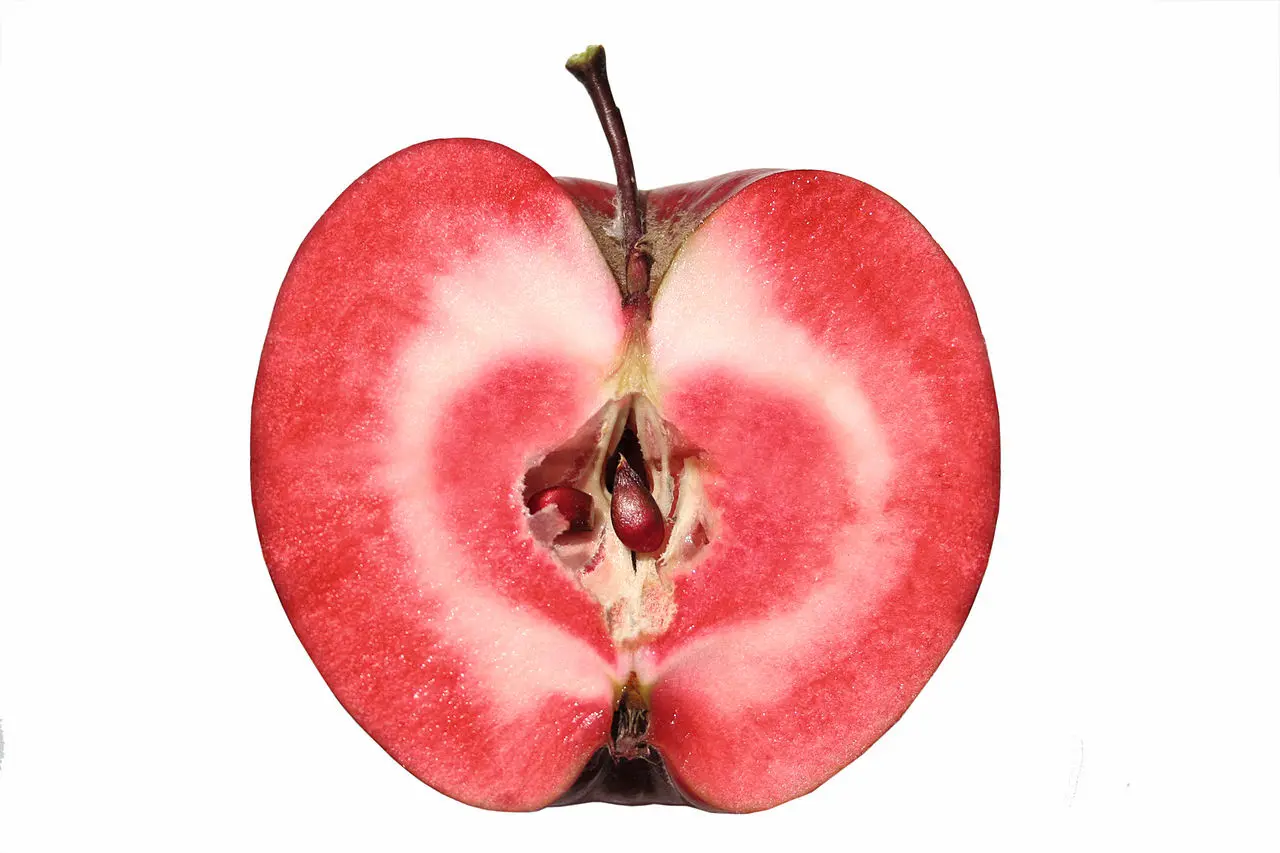
Full sun, Zone 3b Malus ‘Redfield’ Pot size #7 A rare red-fleshed apple, Redfield is the child of…
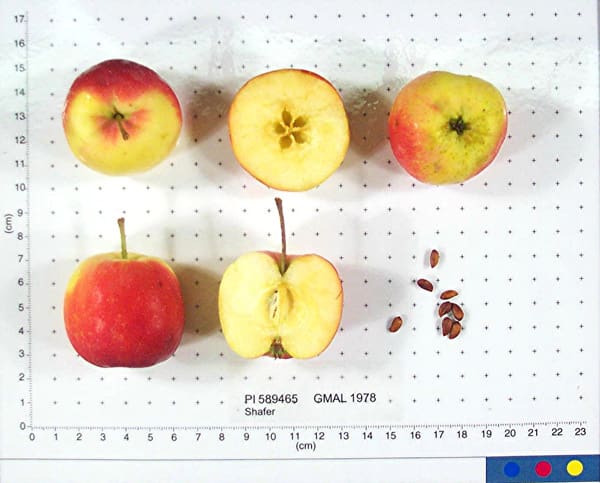
Shafer Applecrab
Photograph from the USDA Germplasm website…
Sweet Sixteen Apple
Some apples taste better when grown in colder climates, and Sweet Sixteen is one of them. For a…
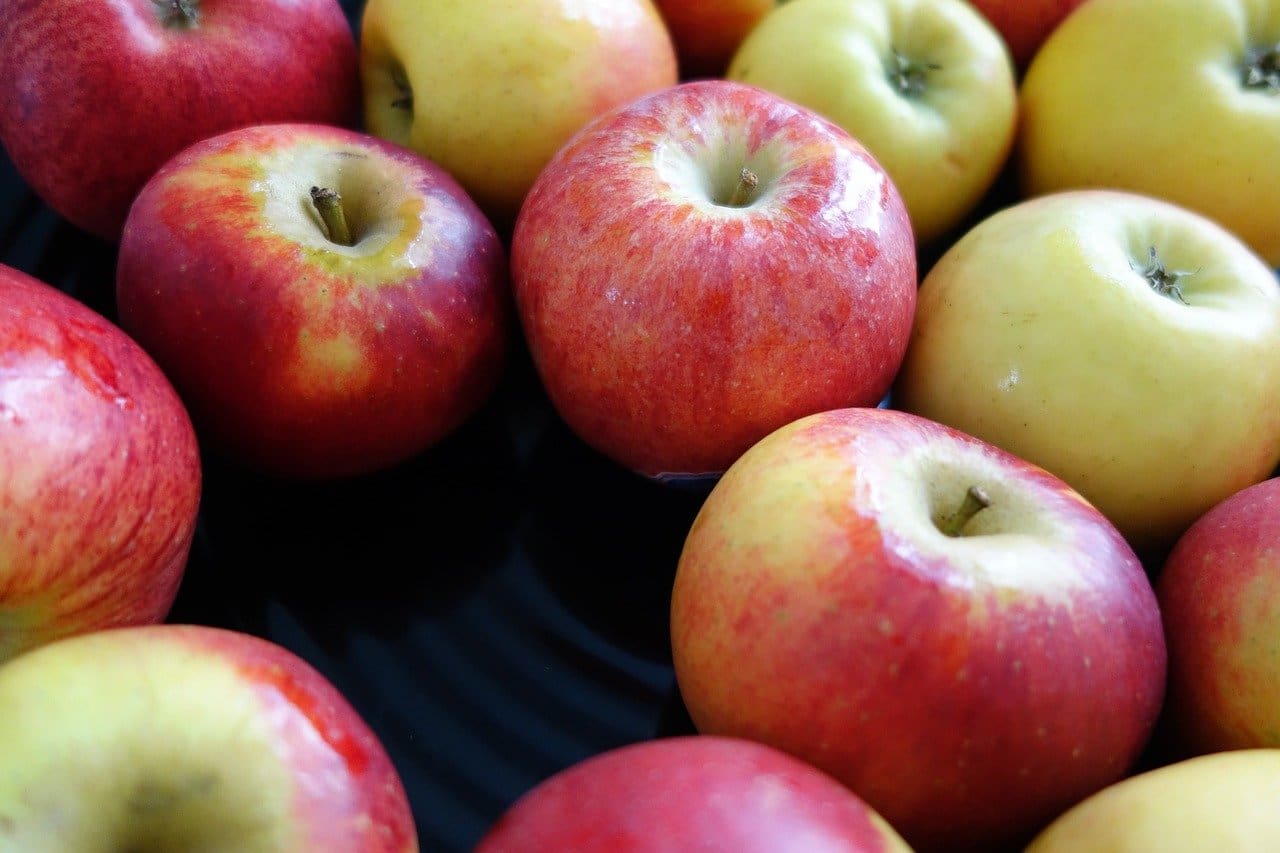
Tolman Sweet Apple
Tolman Sweet is a great all-purpose apple. The fruit are medium-sized with yellow skin, and have a distinctly sweet,…
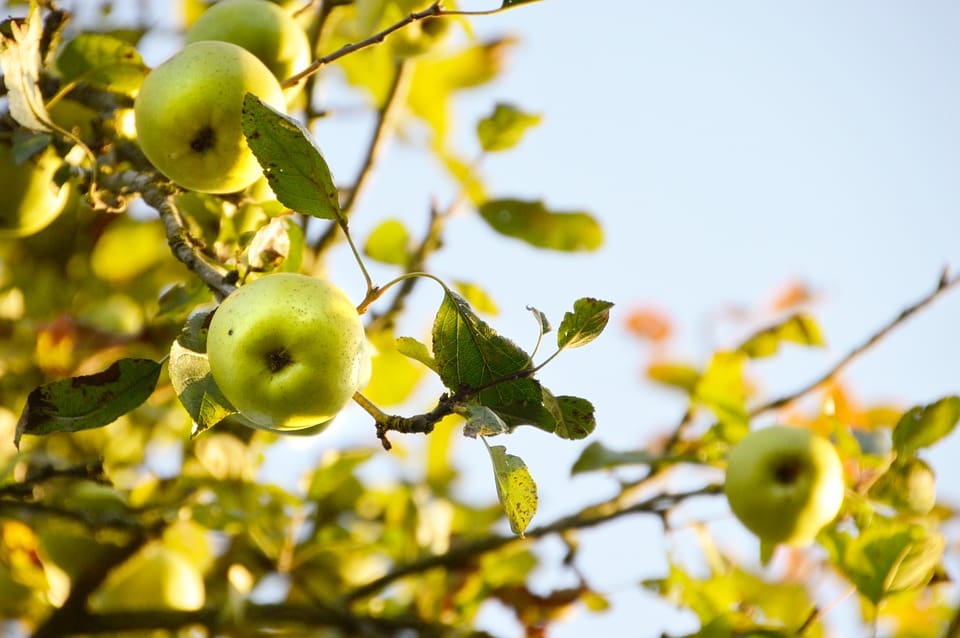
Trail Applecrab
Full sun, Zone 3 Malus x ‘Trail’ Pot size: #5, #7 Don’t be fooled by the size of…
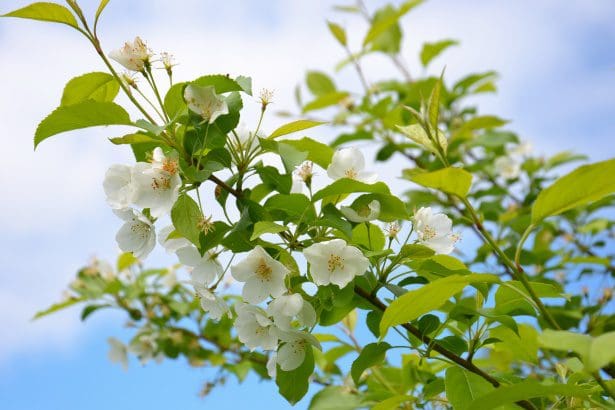
Wolf River Apple
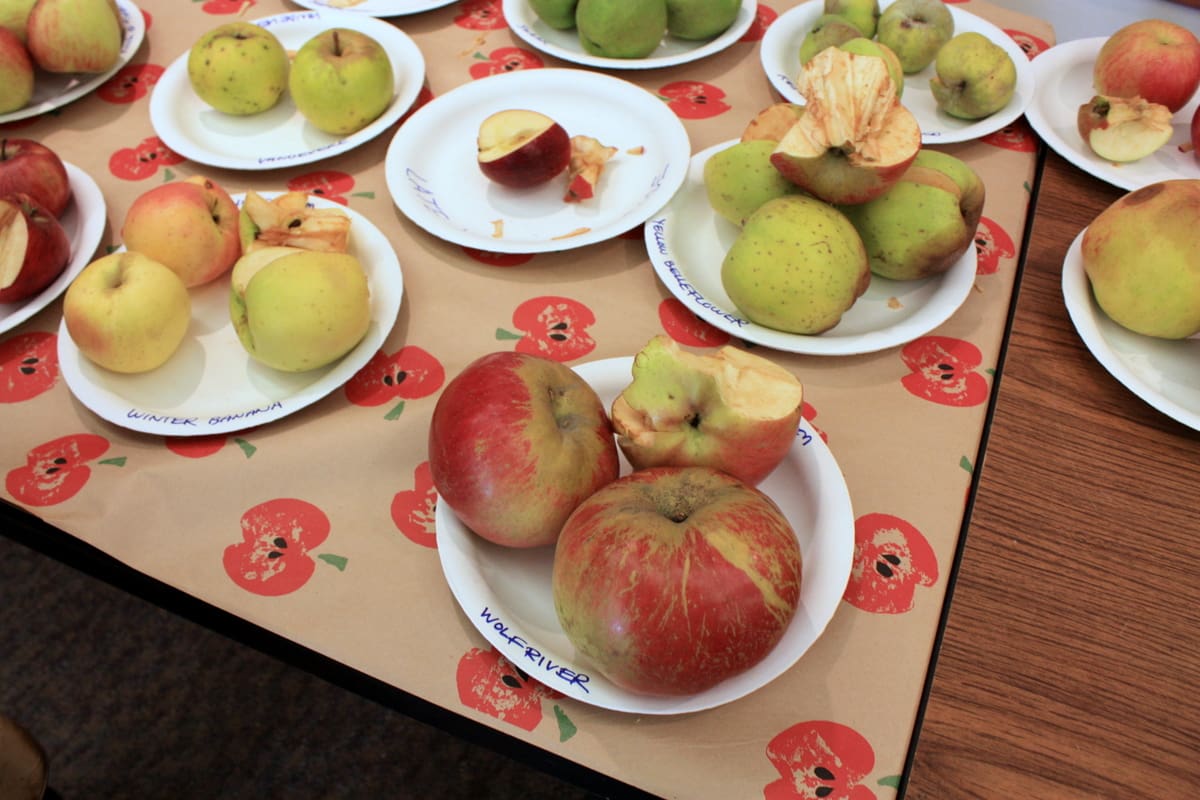
First and foremost, Wolf River is legendary for the huge size of its fruit. The apples can weigh…