How to Protect Apricots, Plums, Tart Cherries, Apples & Strawberries in the Prairies Canadian Hardiness Zones 2–4
Spring on the Prairies is beautiful—but unpredictable. One warm week can push buds into bloom, and the next night can drop to –7°C or –10°C, putting your entire fruit crop at risk. This week is no exception! Understanding how frost affects developing buds, and knowing what to do before and after a cold snap, is essential for growers in Zones 2–4.
This guide summarizes the key risks and practical steps for Prairie fruit growers in the Edmonton region.
Why Spring Frosts Are So Treacherous
As buds swell and open, they lose their natural cold hardiness. A drop of just a few degrees below freezing can:
- Brown or blacken pistils (the female part of the flower)
- Kill ovaries, preventing fruit formation
- Cause blossoms to wilt and drop
- Reduce pollination, even if flowers look intact
Cold injury is often invisible until several hours after thawing.
Critical Temperatures for Prairie Fruit Crops
- Different fruits tolerate cold differently.
- Avoid pruning during warm spells (reduces hardiness)
- Delay early-blooming cultivars by planting in cooler microclimates
Here’s what you need to know to protect your trees:
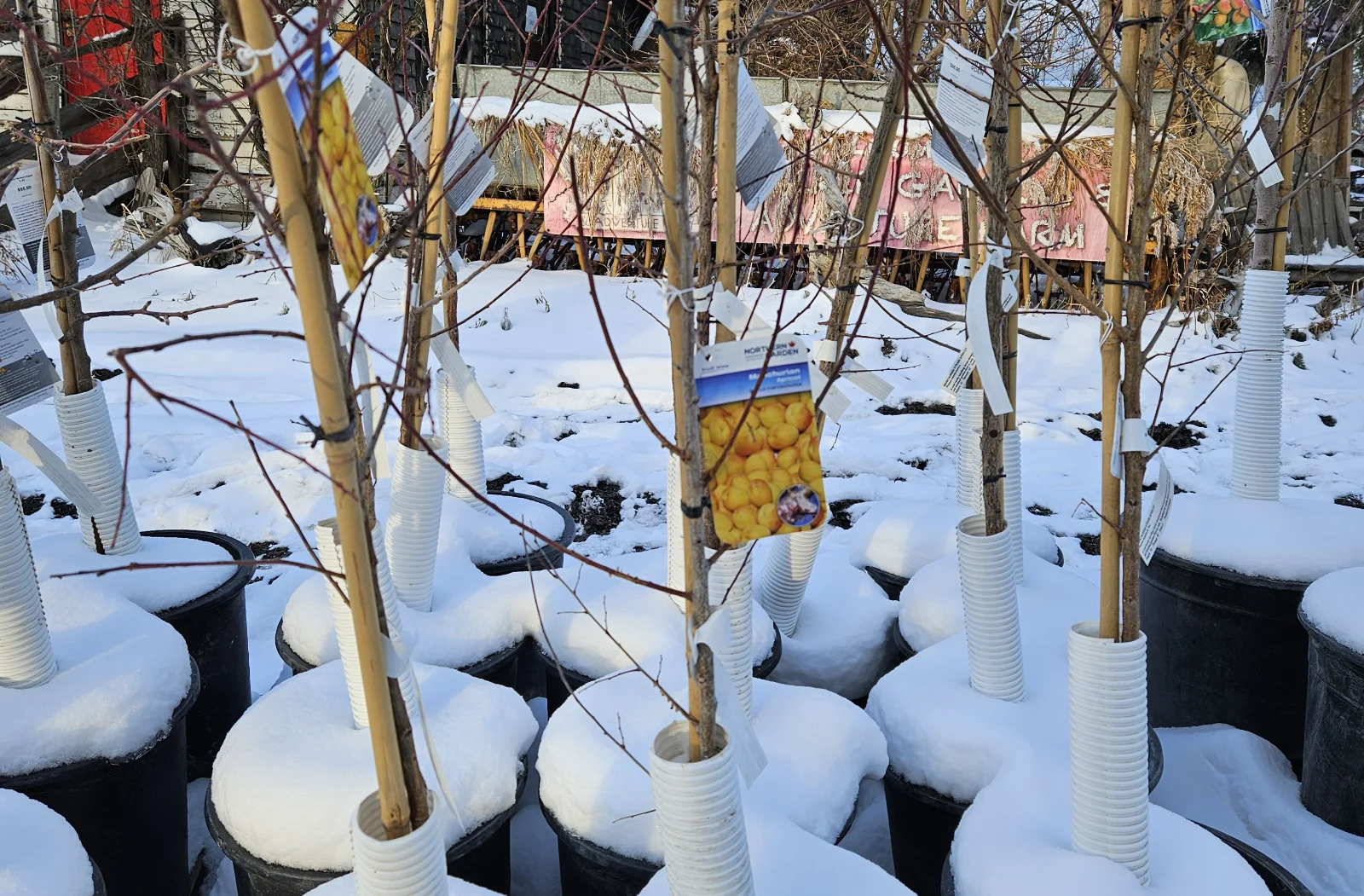
Apricots
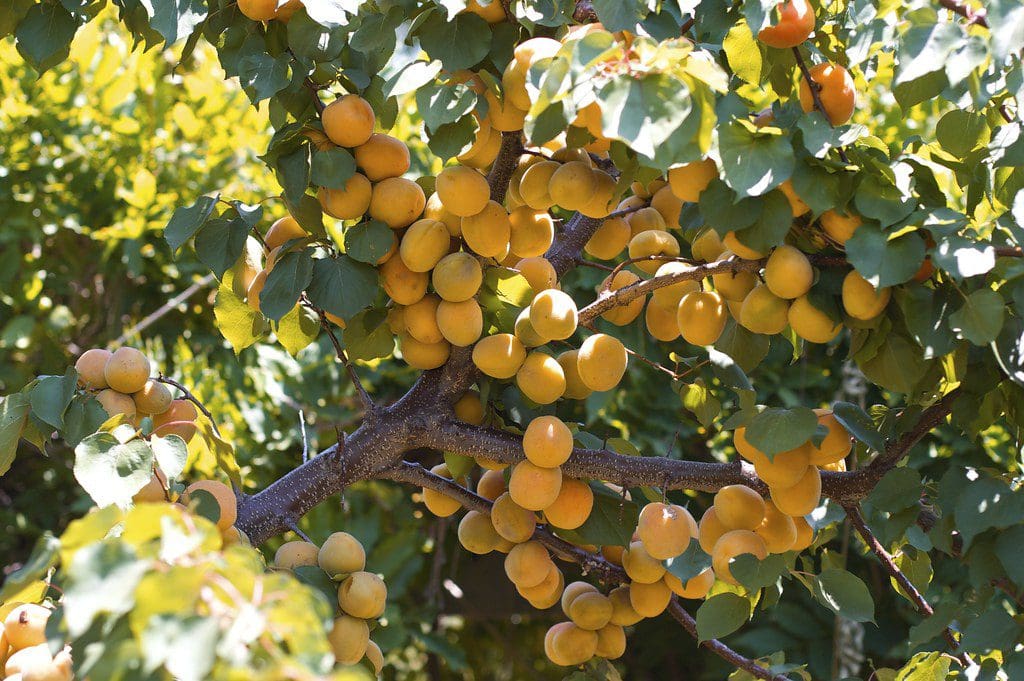
Goldcot Apricot
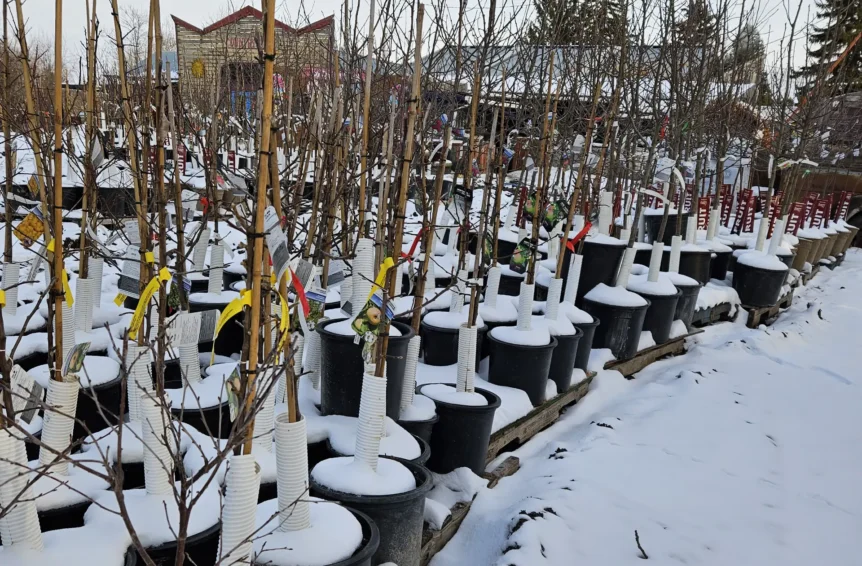
Planting location matters. Plant apricots where the snow lingers the longest in the spring, with their roots in the shade. This will help slow them down in the spring. Winter mulching helps. Mulch over the root zone from the drip line of the tree with compost or peat moss around November 15th. This will insulate the frozen ground so it stays colder longer in the spring.
- Earliest bloomers = highest frost risk (Deb’s Gold is a little later)
- Buds are often open during April cold snaps
- Even –2°C can damage open blossoms
- Choose late-blooming cultivars whenever possible
More articles on advice for growing your fruit on the Prairies
- Spring Planting Fruit Trees for the Prairies!
- Why Fall Is a Great Time to Plant Fruit Trees in the Prairies?
- Growing Plums & Cherry Plums for the Prairies Zone 2-3
Prairie Hardy Fruit Trees: Plums
(Hybrid & Wild American and Canadian Prairie Types)
Planting location matters. Plant plums where the snow lingers the longest in the spring, with their roots in the shade. This will help slow them down in the spring. Winter mulching helps. Mulch over the root zone from the drip line of the tree with compost or peat moss around November 15th. This will insulate the frozen ground so it stays colder for longer in the spring.
- Bloom early but slightly later than apricots
- Hardy hybrids (Pembina, Brookgold, Waneta, Coutts #2) tolerate cold better
- Frost pockets can cause uneven damage within the same tree
Prairie Hardy Fruit Trees: Tart Cherries (U of S Romance Series)
- More frost resilient than sweet cherries
- Require ~50% fruit set for a full crop
- Blossoms tolerate light frost, but pistils still brown at –2°C to –3°C
Prairie Hardy Fruit Trees: Apples
- King bloom (centre flower) is most advanced and most vulnerable
- Side blooms often survive even if the king bloom is lost
- Late bloomers, which are also late producers reduce frost risk in spring, but increase frost damage in the late fall
- Hardy rootstocks and cultivars improve resilience
Prairie Gardens Recommendations for Prairie Hardy Late-Flowering, Late-Ripening, Winter-Keeping Apples (Zone 2–3 hardy, proven on the Prairies)
Best All-Around Late-Blooming Pollinators (For Honeycrisp)
These have the strongest overlap across the board:
- Gemini / Red Gemini
- Kerr
Odyssey - Prairie Magic
- Harcourt
- Haralson
- Northern Spy
- Prairie Sensation
Avoid Early Bloomers as Pollinators for Late Bloomers These ones bloom too early for Honeycrisp and other late-blooming cultivars. Early Apple bloomers are:
- Norland
- Parkland
- Westland
- Heyer 12 / Yellow Transparent
⭐ Best universal pollinators (late-blooming):
- Gemini
- Odyssey
- Haralson
- Kerr
- Prairie Sensation
- Smokehouse
- Chestnut Crabapple
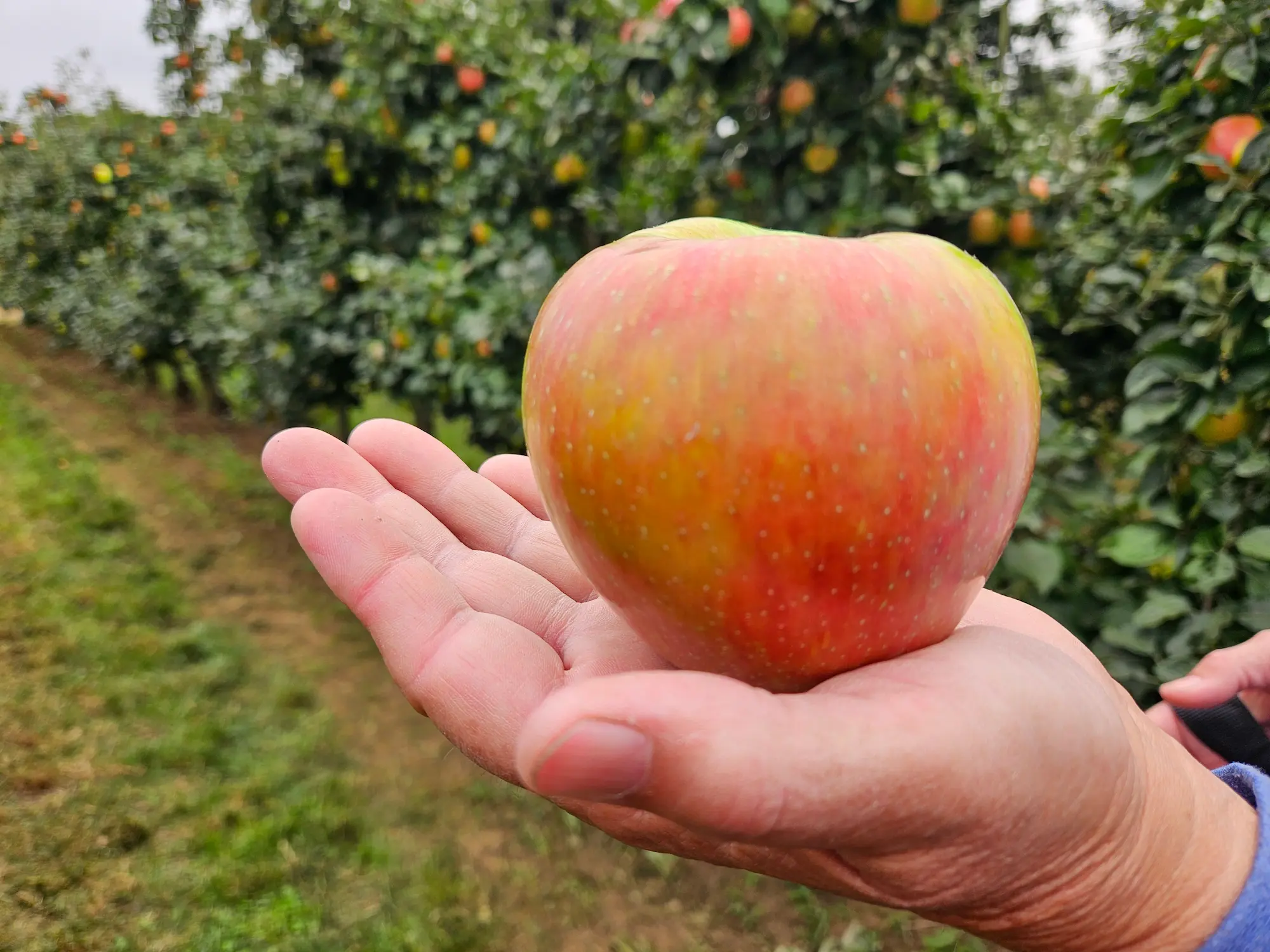
⭐ Best heritage pollinators for late blooming Honeycrisp:
- Smokehouse
- Rosybrook
- Chestnut Crabapple
- Kerr
- Wealthy (most years)
- Wolf River (most years)
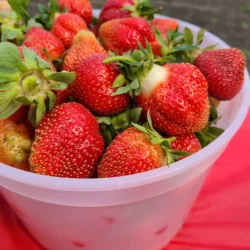
Strawberries
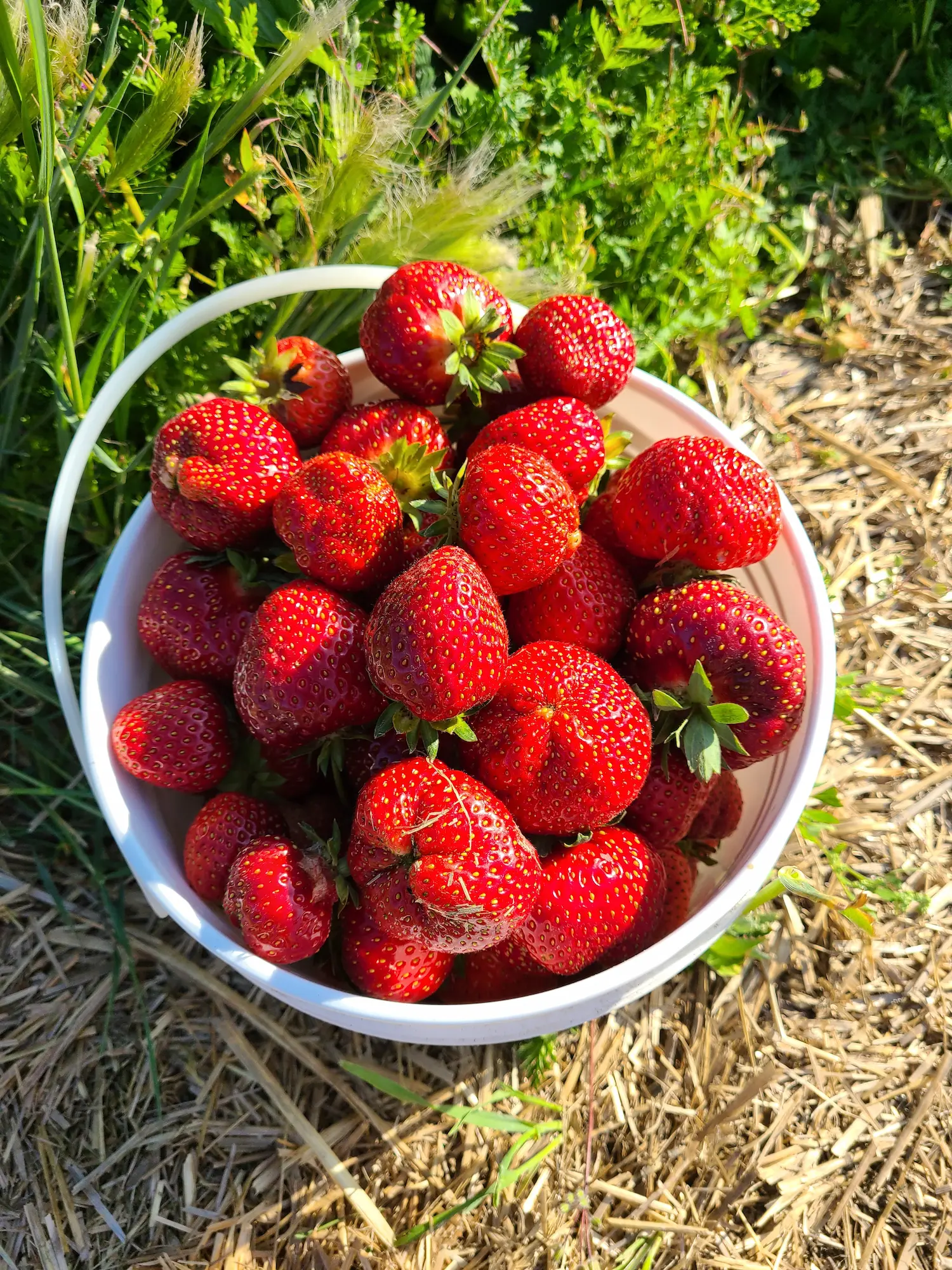
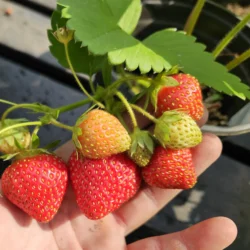
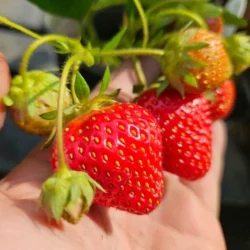
- Blossoms are extremely frost-sensitive
- Damage at 0C
- Open flowers can be killed at –2°C
- Mulch and row covers make a major difference
If you are in a frost pocket, plant late-blooming varieties like Valley Sunset and Cabot.
Frost Protection Strategies for Strawberry Growers
Before the Frost
- Apply Postassium Nitrate* 12-0-44 as a foliar feed to improve survival and reduce frost impacts
- Cover strawberries with straw and keep it on until the first week or May
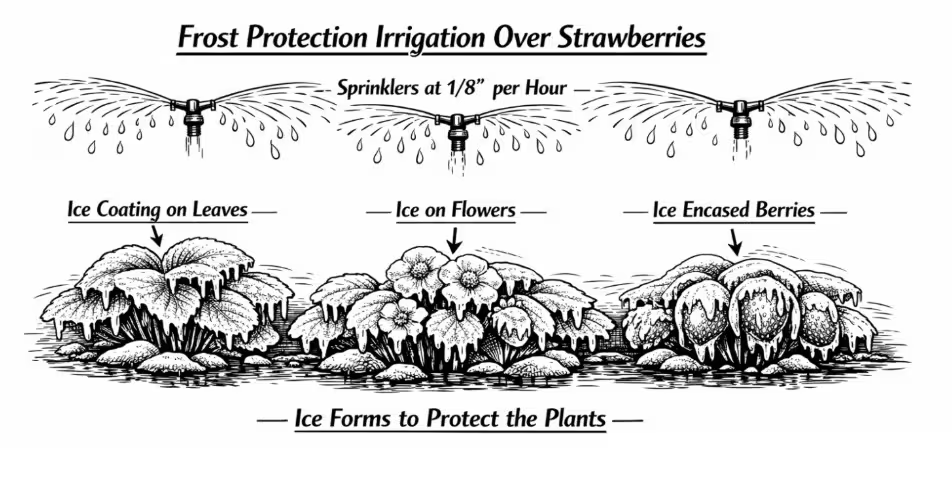
- If it’s a late June Frost – use frost blankets or set up frost irrigation at 1/8”/ hour
- Water soil thoroughly—moist soil holds heat
*Based on the Manitoba Agriculture strawberry fertilizer guidelines and supporting frost-hardiness research, potassium nitrate (12-0-44) is best used as a low-rate foliar supplement rather than a heavy soil application. For strawberries, agronomists recommend 0.5–1.0 % KNO₃ solution (about 5–10 kg per 1 000 L of water per hectare) applied as a fine foliar mist during early growth or pre-bloom, ideally 4–6 weeks before expected frost events. This timing allows potassium to strengthen cell walls and improve osmotic balance before cold stress. Applications should be made in cool, calm conditions, avoiding hot midday periods to prevent leaf burn. The foliar feed can be repeated once after renovation or following winter injury to “perk up” crowns and petioles. Always confirm rates with local soil and tissue tests, as excessive nitrogen from nitrate can delay dormancy and increase frost susceptibility.
During the Frost
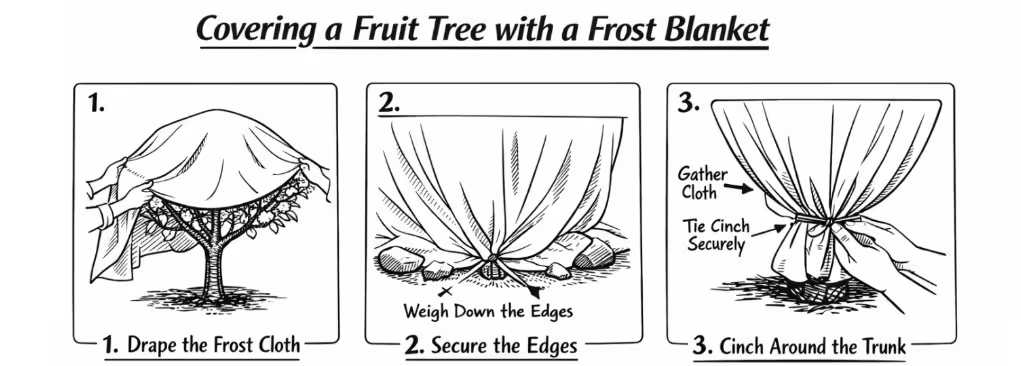
- Use frost cloth, old sheets, or row covers
- Cover the tree tops overnight with frost blanket / insulated tarps.
- Plastic does not insulate. Avoid plastic touching blossoms
- For small orchards: use fans to mix up the air layers; heat sources only with extreme caution
- Use sprinklers to apply a steady stream 1/8” / hour of overhead irrigation sprinkling. Keep the water running until the ice melts off flowers, buds and fruit.
Why Irrigation Works for Frost Control on Strawberries
Irrigation protects strawberry blossoms from frost because of the physics of water turning into ice. When water freezes, it releases heat — a process called the latent heat of fusion.
Order Your Apples and Strawberries Today!
-
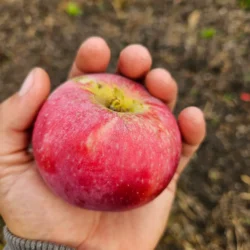
Dwarf Kandy Crisp Apple
$95.00 Read more -
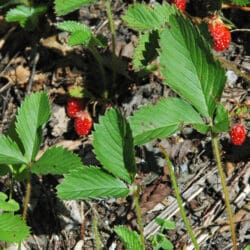
Wild Strawberry
$15.95 Read more -
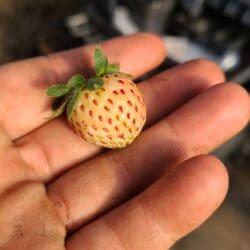
Natural White Strawberry
Price range: $6.95 through $15.95 Select options This product has multiple variants. The options may be chosen on the product page -
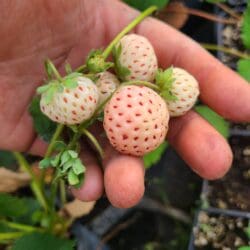
Flamingo Strawberry
Price range: $6.95 through $15.95 Select options This product has multiple variants. The options may be chosen on the product page -
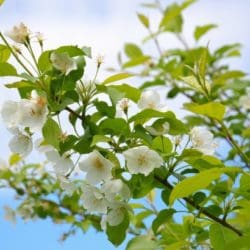
Trail Applecrab
Price range: $95.00 through $155.00 Select options This product has multiple variants. The options may be chosen on the product page -
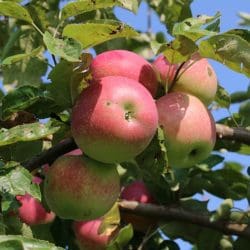
Westland Apple
$65.00 Add to cart -
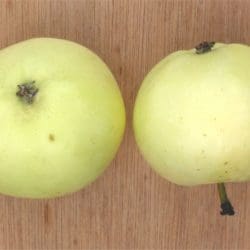
Yellow Transparent Apple
$105.00 Read more