A Zone 2–3 Guide to Planting, Pollinators & Resilient Gardens
This year has been extraordinary. With rainfall levels breaking records that have stood since 1898, gardens across Alberta’s Zone 2–3 region are facing challenges we rarely see: saturated soils, slow growth, nutrient washout, and stressed pollinators.
But wet, cloudy years also bring unexpected gifts, if we gardeners are ready and willing to adapt.
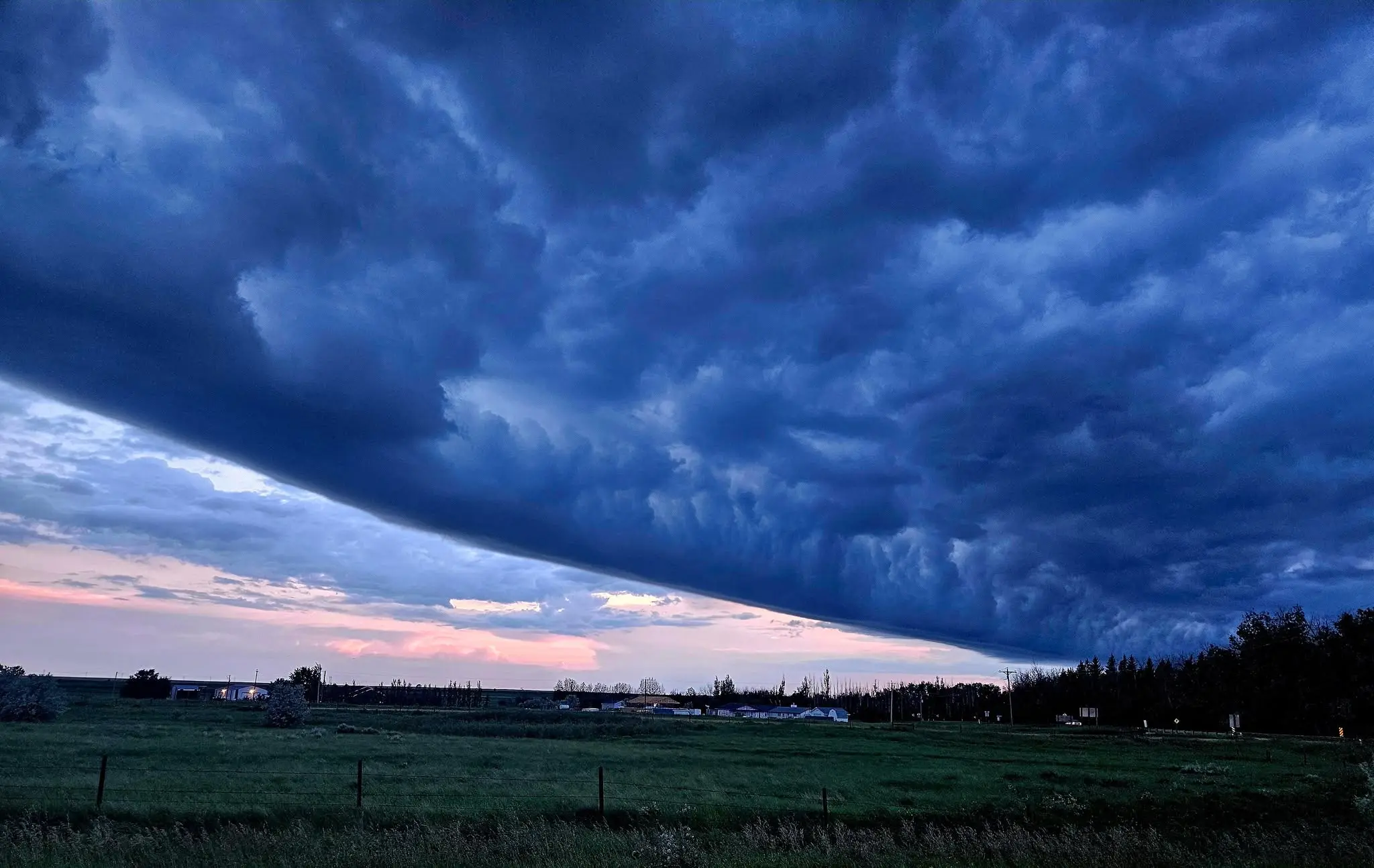
Here’s how you can make the most of this once‑in‑a‑generation season
An opportunity like this comes but once in a century, even though it might feel like a false start to the growing season. Despite all the moisture, it really is one of the best times to plant trees and perennials.
This year offers a chance to:
- Establish long‑lived trees
- Build resilient perennial beds
- Support pollinators during a difficult season
- Rebuild soil structure
- Plant all summer long without heat stress
It may feel counterintuitive, but cool, wet summers are ideal for establishing hardy trees, shrubs, and perennials. Plants experience far less stress when temperatures stay low and soil moisture remains consistent.
Benefits of planting during a rainy, wet year
- Reduced transplant shock — roots stay cool and hydrated.
- Deep root establishment — moisture encourages downward growth.
- Cloud cover prevents leaf scorch — no sunburn on tender new foliage.
- Less watering required — nature is doing the work for you.
- Extended planting window — you can plant safely all summer long.
Best trees for Zone 2–3 in wet cycles
- Amur cherry
- Paper birch
- Mountain ash
- Willow (Laurel Leaf, Prairie Cascade)
- Tamarack
- Hardy crabapples (Kerr, Rescue, Dolgo)
- Alders & black spruce
Perennials that thrive when planted in wet years
- Astilbe
- Meadowsweet
- Ligularia
- Hostas
- Daylilies
- Delphiniums
- Bee balm
- Yarrow
- Currants & gooseberries
Moisture-loving plants will explode with growth next spring thanks to the strong root systems they build now.
Helping Pollinators in a Record‑Wet Year
Pollinators are struggling this season. Rain and cloud cover reduce their ability to forage, and many flowers produce less nectar when saturated.
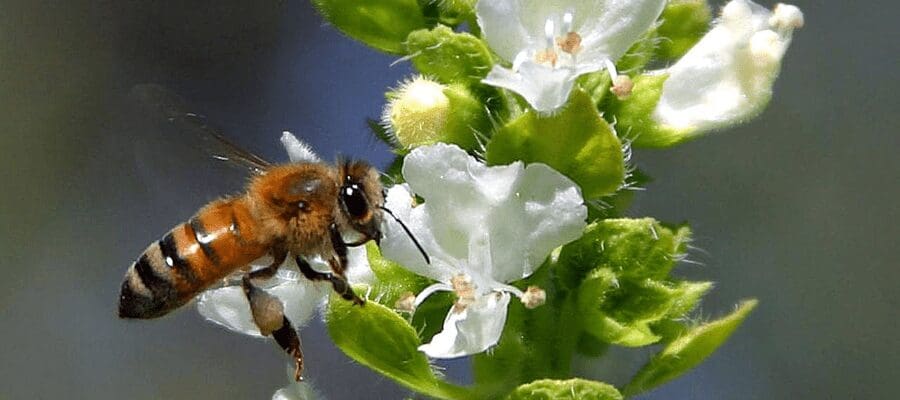
How you can help
- Plant late-season nectar sources: asters, goldenrod, liatris, bee balm.
- Choose native shrubs: willow, dogwood, buffaloberry, potentilla, wild rose.
- Leave small patches of bare soil for ground‑nesting bees.
- Stop deadheading early — let flowers go to seed for birds and insects.
- Avoid heavy mulching — it traps moisture and reduces access for pollinators.
- Create micro‑habitats: brush piles, hollow stems, undisturbed corners.
In wet years, your garden becomes a critical refuge for pollinators who are working harder than ever to survive.
Caring for Your Garden in Saturated Soil
Record rainfall affects soil more than anything else. Saturated soils lose oxygen, compact easily, and leach nutrients.
Do this now
- Add coarse compost or leaf mold to restore air pockets.
- Top‑dress with 1–2 cm of finished compost — don’t till.
- Keep foot traffic off garden beds to prevent compaction.
- Pull mulch back from stems to let soil breathe.
- Side‑dress vegetables with a balanced organic fertilizer — nitrogen has washed out.
- Prune lower leaves on tomatoes and squash to improve airflow.
Be Sure to Watch Out For
- Yellowing leaves
- Powdery mildew
- Blight
- Slow fruit set
- Root rot in low areas
These are normal responses to extreme moisture — not signs of gardener error. We’ve noticed stone fruits (plums, cherries) are especially sensitive this year.
Your Trees & Shrubs Need Some Extra Help This Year
Even hardy prairie trees show stress in prolonged wet cycles.
Support them by
- Redirecting standing water away from trunks.
- Adding a thin compost ring (not mulch).
- Avoiding fertilizer until soils dry.
- Watching for leaf drop — a temporary stress response.
- Plant all summer long without heat stress
Final Thoughts
Your Zone 2–3 garden isn’t failing — it’s responding to a once-in-a-lifetime weather pattern. With a few adjustments, you can turn this unusual season into one of the most productive and restorative gardening years yet.
As for us at Prairie Gardens, we’ll be grabbing our rubber boots, monitoring and getting friendly with the dirt (or should we say mud) as we always do.
Tam Andersen, the Garden Guru