
Posted By Tam Andersen, Farmer
December 3, 2025
How you care for hydrangeas during the winter can determine whether your shrubs are bursting with blooms next summer or not. Here’s how to protect them from the cold.
Are Your Hydrangeas Ready for An Alberta Winter?
Proper hydrangea care in winter directly impacts the quantity of next summer’s blooms. Erratic winter weather can be particularly damaging to shrubs, which can lead to poor or no flowering the following season. Spend a little time in the fall, prior to frosty nights that dip down below -12°C. You’ll protect your plant from the frigid -30 temperatures that you know are headed this way this winter.
Varieties of Hydrangea That are Cold Tolerant
Thanks to new prairie hardy varieties, Albertans are embracing hardy hydrangeas in their gardens! We love these new shade tolerant and cold-hardy hydrangeas, from the mophead types, like Annabel, with huge globes of white flower clusters or gorgeous lime to pink hardy hydrangeas with lilac like panicles. The Smooth hydrangeas (Hydrangea arborescens) and panicle hydrangeas (H. paniculata), are very cold hardy and bloom on new wood. They don’t need much protection unless the temperature dips below -30°C ( – 30°F). In fact, leaving foliage over winter can actually help protect these plants and serve as additional winter interest in the garden. While no hydrangea is guaranteed to thrive in Zone 2 without protection, the following are your best bets:
Hydrangeas that are Alberta hardy Zone 2-3 (rural regions) include:
Cone shaped flowers (also known as)-Panicle Hydrangeas Hydrangea paniculata
- Dragon Baby™ Hydrangea paniculata ‘HYLV17522’ – a dwarf panicle hydrangea with extraordinary flower power packed into a petite form. Its dense conical blooms emerge creamy white and lime green, then ignite to rich pink as summer fades into fall. The plant’s compact habit makes it perfect for small spaces, containers, and modern landscapes, while its cold hardiness ensures reliable performance in northern climates like Edmonton, Alberta.
- ‘Limelight’: Hydrangea paniculata ‘Limelight’. Lime-green blooms turning pink; hardy to Zone 3, but performs well in sheltered Zone 2 gardens
- ‘Little Lamb’: Hydrangea paniculata ‘Little Lamb’. Compact, very cold-tolerant; blooms on new wood, making it the most reliable in harsh climates
- ‘Pinky Winky’ Hydrangea paniculata ‘Dvppinky’ Zone 3 White to deep pink Very similar two-tone effect; blooms on new wood
- ‘Strawberry Sundae ’ Hydrangea paniculata ‘Rensun’. It’s a compact, cold-hardy panicle hydrangea ideal for Alberta gardens, offering a stunning color transition from creamy white to strawberry pink and deep rose-red.
- ‘Vanilla Strawberry’ Hydrangea paniculata ‘Renhy’- is a showstopper shrub known for its dramatic, cone-shaped blooms that shift from creamy white to blush pink and finally deep strawberry red as the season progresses.
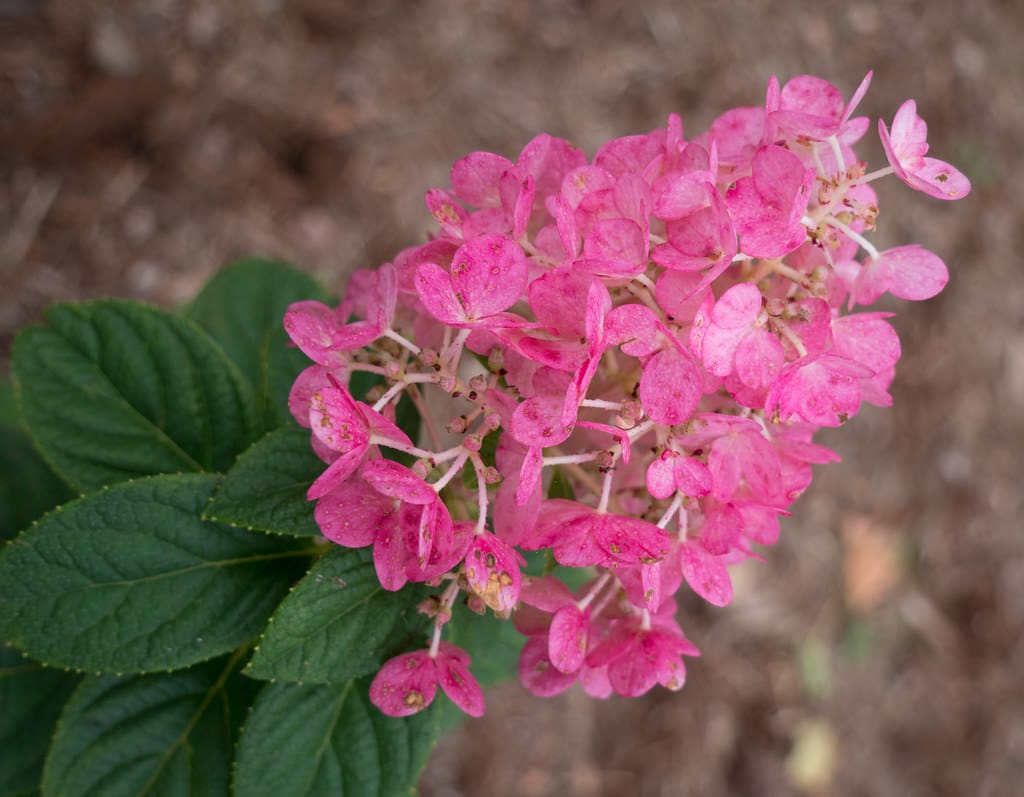
A gorgeous Strawberry Sundae Hydrangea.
Hardy in Edmonton zones 3-4
- ‘Quick Fire’ Hydrangea paniculata ‘Bulk’ – Early bloomer with white flowers that quickly turn pink
- ‘Bobo’ Hydrangea paniculata ‘Ilvobo’ – Dwarf variety (2.5–3 ft); covered in white blooms that blush pink
Mop Head Hydrangea: Hydrangea arborescens (Smooth Hydrangea) Also hardy and blooms on new wood, though flowers are more rounded.
- ‘Annabelle’ Hydrangea arborescens ‘Annabelle’ – Classic white mophead blooms; reliable and vigorous
- ‘Incrediball’ Hydrangea arborescens ‘Abetwo’ – Improved version of Annabelle with sturdier stems and larger blooms
- ‘Invincibelle Spirit II’ Hydrangea arborescens ‘NCHA2’ – Pink blooms; one of the few pink hydrangeas hardy to Zone 3
Hydrangea Tips for Success in Canadian Hardiness Zone 2 – 3:
- Plant in a sheltered microclimate: South-facing walls, windbreaks, or near buildings
- Use deep mulch: 6–12 inches of straw, leaves, or compost over root zone in fall
- Wrap stems in burlap or frost cloth: Especially for arborescens types
- Choose varieties that bloom on new wood: Ensures flowering even if stems die back
Box stores are notorious for bringing in plants for our Alberta climate and gardens that don’t grow here. There are many varieties of hydrangea that are not winter hardy. Winter kill will happen for non-hardy types. They bloom on old wood and are hardy to about Zone 5, so they’re generally not suitable for Alberta without significant protection.
These plants are not-hardy enough for our Alberta weather and won’t survive here:
- Hydrangea macrophylla (Bigleaf) Mophead or Lacecaps
- Hydrangea serrata (Mountain)
- Hydrangea quercifolia (Oakleaf Hydrangea)
- Hydrangea macrophylla Endless Summer Blue,
- Florist or potted Easter or Mother’s Day hydrangeas
These varieties struggle with Alberta’s cold winters and are best treated as annuals or indoor plants.
What Is Winter Kill?
Cold isn’t the only concern when it comes to winterizing hydrangeas. Winter wind, in addition to cold temperatures, can also impact hydrangea health and cause winter kill. Winter kill is a general term that simply means plant death that occurs during the winter season. Low winter temperatures can kill plants, but wind can also dry out plants and make them die. To protect hydrangeas from Alberta’s unpredictable chinooks, focus on shielding buds and roots from sudden freeze-thaw cycles and desiccating winds. Mulch deeply, wrap vulnerable varieties, and choose planting sites with natural windbreaks.
Why Chinooks Are Hard on Hydrangeas
Chinooks bring rapid overnight temperature swings from -30C to +15C that can:
- Trigger premature bud break, followed by freeze damage
- Desiccate buds and stems with warm, dry winds
- Cause frost heave, exposing roots to cold air
Chinook-Proofing Strategies
- Site Selection: Sheltered microclimates: Plant near buildings, fences, or evergreen hedges to buffer wind and temperature swings
- Avoid south-facing walls: These warm too quickly during chinooks, encouraging early bud break
- Mulch generously: Apply 6–12 inches of hemp mulch orstraw, leaves, or bark around the base after the ground freezes which helps insulate roots and prevent frost heave
- Wrap for Winter: For less hardy types, build a cage of chicken wire around the plant and fill it with dry leaves or straw. Wrap the cage in burlap or breathable fabric to block wind and sun. Remove in early spring once danger of deep frost has passed.
- Water Well in Fall: Deeply water hydrangeas before the ground freezes to reduce winter desiccation.
Best Hydrangeas for Chinook-Prone Areas
- Hydrangea paniculata (‘Limelight’, ‘Fire Light’, ‘Bobo’, ‘Vanilla Strawberry’)
- Hydrangea arborescens (‘Annabelle’, ‘Incrediball’, ‘Invincibelle Spirit II’) These bloom on new wood, so even if stems are damaged, they’ll still flower.
Since hydrangeas go dormant during the winter, you may not notice winter kill on hydrangeas until spring. Your first hint of damage may be the fact that no green shoots emerge from your hydrangea in April or May.
Preventing winter kill is a matter of protecting your shrubs, including their dormant buds, from winter’s wrath. The winterizing techniques below will help protect your hydrangeas from winter kill and ensure you have shrubs full of flowers next summer.
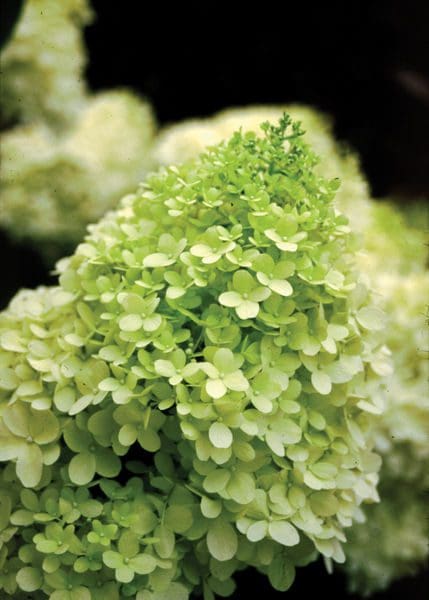
Limelights are perfect for Chinook-prone areas!
How to Prepare Hydrangeas for Winter
Even if you’ve picked the best hydrangeas for your growing zone and the variety you planted is meant to be cold hardy, it’s still a good idea to prepare shrubs for the winter season. Protecting a hydrangea in winter ensures the plants remain healthy and continue to flower every year.
- Add Compost or Worm Castings
If you make your own compost, add a top dressing at the base of your hydrangea shrubs. A couple inches of compost will break down over the winter months and slowly add nutrients and beneficial microbes to the soil. When shrubs begin growing again in spring, your hydrangeas will have plenty of nutrients available to help them put out plenty of blooms.
- Water
Hydrangeas need a lot of water throughout the spring, summer and right up to ground freeze in the November. In fact, the cold air and wind in winter pulls extra moisture out of shrubs. That means they potentially need even more water than during the temperate parts of the growing season. Keep watering hydrangeas right up until the ground freezes. Often times dieback is more likely caused by drought in the fall than by winter.
- Provide Protection
The most important thing your hydrangea needs for winter is protection from cold temperatures and drying winds. Start with mulch. Apply a thick layer of mulch around each shrub, to a depth of about six inches (15 cm). Hemp mulch works well for this, and it is better than straw because it does not have weed or wheat seeds in it. Stock up on hemp mulch from Prairie Gardens now before winter weather hits. The mulch will insulate the base of the plant and roots. It will also protect it from freezing and thawing cycles that can push a plant’s roots right out of the ground. The best time to apply mulch is right after the ground freezes. Any earlier, and you invite pests to nest in the warm mulch. Don’t wait too late, though, or an early freeze could hurt hydrangeas.
Before the ground freezes, and your hydrangeas get winter temperatures below -18°C, consider adding an additional barrier to protect hydrangeas. Place stakes in the ground around the shrubs and wrap them in burlap. Staple or tie the burlap to the stakes to prevent it from blowing away in the wind. Alternatively, you can cover small shrubs with wire tomato cages or build a cage around hydrangeas using strong stakes and chicken wire. Wrap burlap or insulation cloth around the cage. Wrap chicken wire around the stakes to form a cage.
Fill the cage with pine needles or leaves to fully insulate your plant. Oak leaves work well because they do not settle as easily as other materials. Keep a bag of leaves from your fall raking so you can fill the cage throughout the winter as the insulation settles.
Be careful not to snap off the ends of the branches as you fill the cage or all will be for naught and you won’t get those gorgeous blooms next summer.
Caring for Hydrangeas in Winter
Your hydrangeas will not need a lot of care during the winter months, but some maintenance will help keep them healthy and happy. Check on hydrangeas throughout the winter season. If you wrapped them in burlap, make sure the wrapping is still intact and secure. Keep the mulch layer deep. Reapply mulch if any blows away in the wind.
If you did not wrap your hydrangeas at the beginning of the winter season, but temperatures are dropping, you can also use snow to help insulate plants. Bury the shrubs under snow to protect them from subfreezing temperatures and wind.
Can I Prune Hydrangeas in Winter?
Wait to prune hydrangeas until the spring, when you can tell that the buds are breaking and new growth is underway. If the stems don’t leaf out – they have tip-killed. A ‘soft’ prune just removes the dead tips. Once the leaves have emerged, you will know what to remove. Sometimes they will winter-kill to snowline, and you will need to do a ‘hard’ prune. You may have to wait until late May to know the extent of the winter damage. Cut back the dead stems to where you see buds emerging, and they will grow back from the ground.
Dwarf hydrangeas will grow back and bloom in the same season – so all is not lost. Bobo, Little Dragon, Pinky Winky and Little Lamb are all very root hardy and seldom die out, and grow back quickly from the ground to provide you with fall colour regardless of how hard you have had to prune them back in the spring!
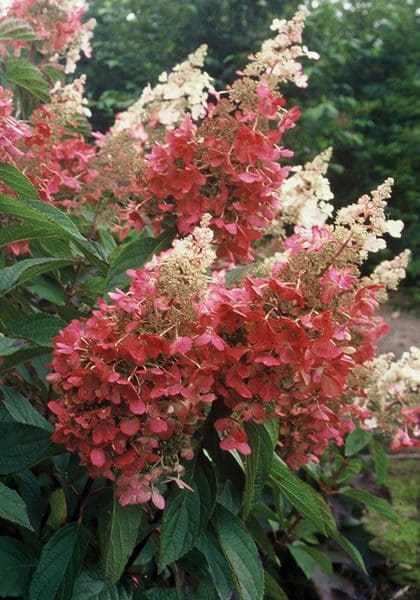
Pinky Winky in their glory.